People · independence activist, head of the Korean Provisional Government, memoirist
Kim Ku
金九Jīn Jiǔ · 1876–1949
Korean independence leader (1876–1949) who ran the exiled Provisional Government from a Shanghai lane house and planned the 1932 Hongkou Park attack.
This page in other languages: 한국어
- Born
- 1876
- Died
- 1949
- Known as
- independence activist, head of the Korean Provisional Government, memoirist
- Also written
- Kim Koo · Gim Gu · Baekbeom · Kim Chang-su · 白凡 · 金昌洙 · 김구
Loading map…
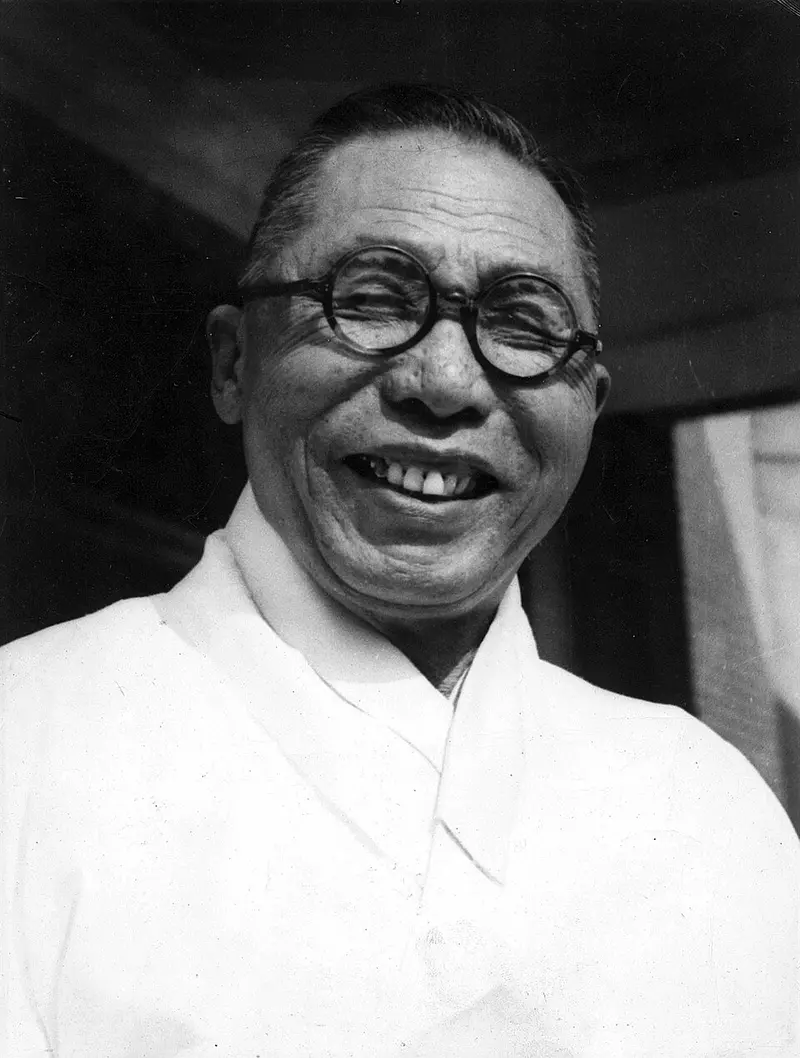
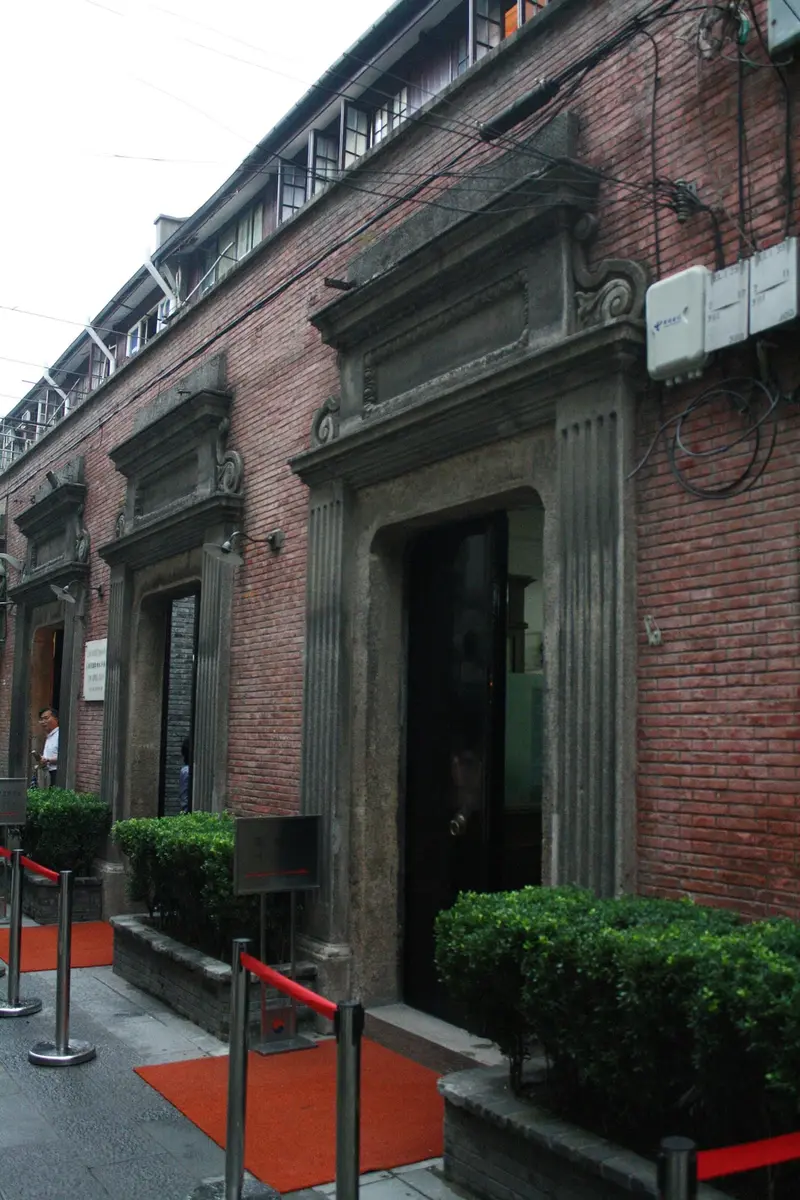
Kim Ku (金九, 김구) is the man whose restored office is shown on the first floor of the Madang Road house. For thirteen years he was the Korean Provisional Government’s policeman, minister and finally its head in Shanghai. He planned the bomb attack in Hongkou Park in April 1932 that made the government famous and forced it out of the city.
South Korea counts him among the founders of the state. In China he is cited as a symbol of friendship between the two peoples: in a 2014 speech in Seoul, China’s President Xi Jinping named Kim Ku, who spent 27 years moving around China, as an example. The story A government in rented rooms tells the government’s history in the city.
Before Shanghai
He was born on 29 August 1876 near Haeju in Hwanghae province, the only son of Kim Sun-yeong and Kwak Nak-won. He used several names. He was Chang-am as a child and Kim Chang-su as a young man, and later took Kim Ku and the pen name Baekbeom (白凡). At 18 he joined the Donghak, a religious and peasant movement.
In 1896, at the Chihapo ferry in Anak county, he killed a Japanese man in Korean dress who carried a sword. Korean sources name the man as Tsuchida Jōsuke, but who he was is disputed, and so is the date: 9 March in the Encyclopedia of Korean Culture, February in Korea’s veterans ministry. Kim was arrested and sentenced to death, in 1896 or 1897 depending on the source. The sentence was never carried out, and in March 1898 he escaped from prison. He spent time as a Buddhist monk at Magoksa temple, returned to lay life and became a Christian.
He married Choe Jun-rye in the early 1900s; sources give 1904 or 1906. In January 1911 he was arrested in the An Myeong-geun case, accused of plotting against the Governor-General, and sentenced to 17 years. The sentence was reduced and he was let out on parole.
Police chief of the government in exile
After the March First Movement of 1919 he left Korea. He landed at Pudong on 13 April 1919 from a ship of the Yirong line out of Andong, two days after the Provisional Government was proclaimed. When Ahn Changho arrived in May and took over the interior ministry, Kim asked to be allowed to stand guard over the government. The cabinet made him police chief instead.
The job, as Korea’s veterans ministry describes it, was to find and deal with the spies Japan sent into the Korean community, and to keep the leaders and residents safe. He held the post until he became interior minister in 1923; some sources say 1922.
The community he policed was small. The residents’ association counted 538 Koreans in Shanghai in 1920, 80 of them children, and by 1932 there were still only about 1,000 in the whole French Concession.
On 28 October 1922 he and six others founded the Korean Labour-Soldier Society at Jo Sang-seop’s house, to train soldiers and raise money for a war, with Kim as chairman. The house is gone, and Hong Kong Plaza stands on the site on Xing’an Road.
When the National Representatives’ Conference, called in 1923 to unite the movement, broke down, Kim as interior minister ordered it dissolved. He became acting premier in 1924 and premier on 14 December 1926.
Family life in Yongqingfang
From 1922 to 1926 the family lived on the upper floor of No. 10 Yongqingfang, a lane off Rue Amiral Bayle near today’s Huangpi Road South. The house had belonged before them to Kim Ui-han and his wife Jeong Jeong-hwa, another exile family, and Choe Jung-ho had the ground floor. There were his mother Kwak Nak-won, his wife Choe Jun-rye and their sons Kim In and Kim Sin. Choe fell ill after Sin was born and after a fall in the house, and died in 1924. In 1925 the activist Na Seok-ju pawned his own clothes to give the widowed Kim a birthday meal in the house.
After that his mother took the younger boy home to Korea. Kim and his elder son rented a single-storey house on Route Vallon (呂班路) and shared it with other officials. The government had little money, and its leaders lived on what the community could give.
The Madang Road office
From about July 1926 the government’s office was at Puqingli No. 4, today Lane 306 No. 4 Madang Road. After Kim became premier in December 1926, the house was both his home and his workplace.
In 1929 he became head of the Korean Residents’ Union, and in 1930 he founded the Korean Independence Party with Yi Dong-nyeong, Yi Si-yeong and others. In those years he also began to write. Between early 1928 and 3 May 1929 he wrote the first volume of his memoir, the Baekbeom Ilji, in Shanghai, as if writing a will to his two sons. He finished the second volume in Chongqing in 1942 (some sources say 1943). The handwritten original is now a Korean national treasure, and the book was first printed in 1947.
The Korean Patriotic Organisation
In 1931 Kim formed a secret unit to carry out attacks on Japanese leaders, the Korean Patriotic Organisation. Its first member, Lee Bong-chang, took the oath on 13 December 1931 at the house of An Gong-geun, holding a grenade in each hand, and sailed for Tokyo four days later. On 8 January 1932 he threw a grenade at Emperor Hirohito’s procession. It missed, and Lee was executed that October. In 1932 Kim sent out three teams, against the emperor, the Governor-General of Korea and the commander of Japan’s Kwantung Army in Manchuria. The bombs came through Kim Hong-il, a Korean officer in the Chinese army, and Song Sik-pyo of the Shanghai arsenal.
The Hongkou Park attack and its aftermath
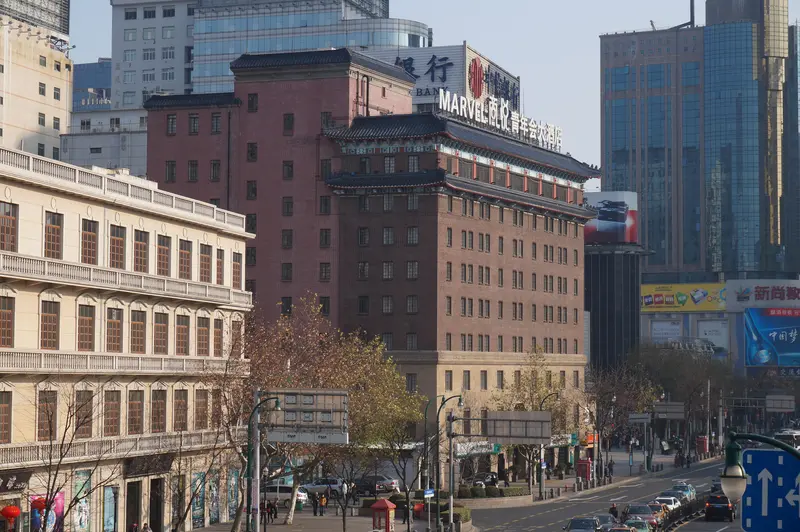
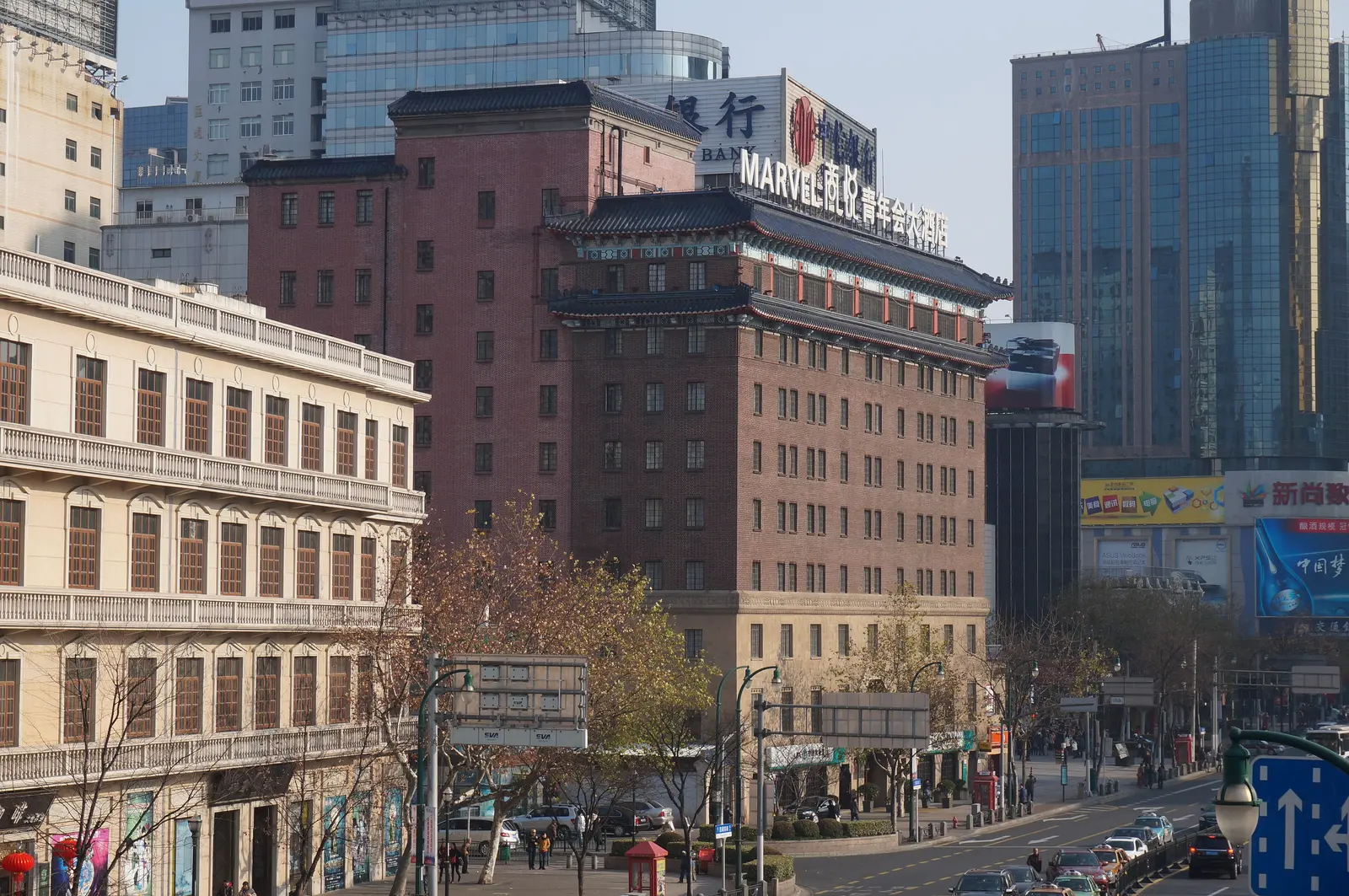
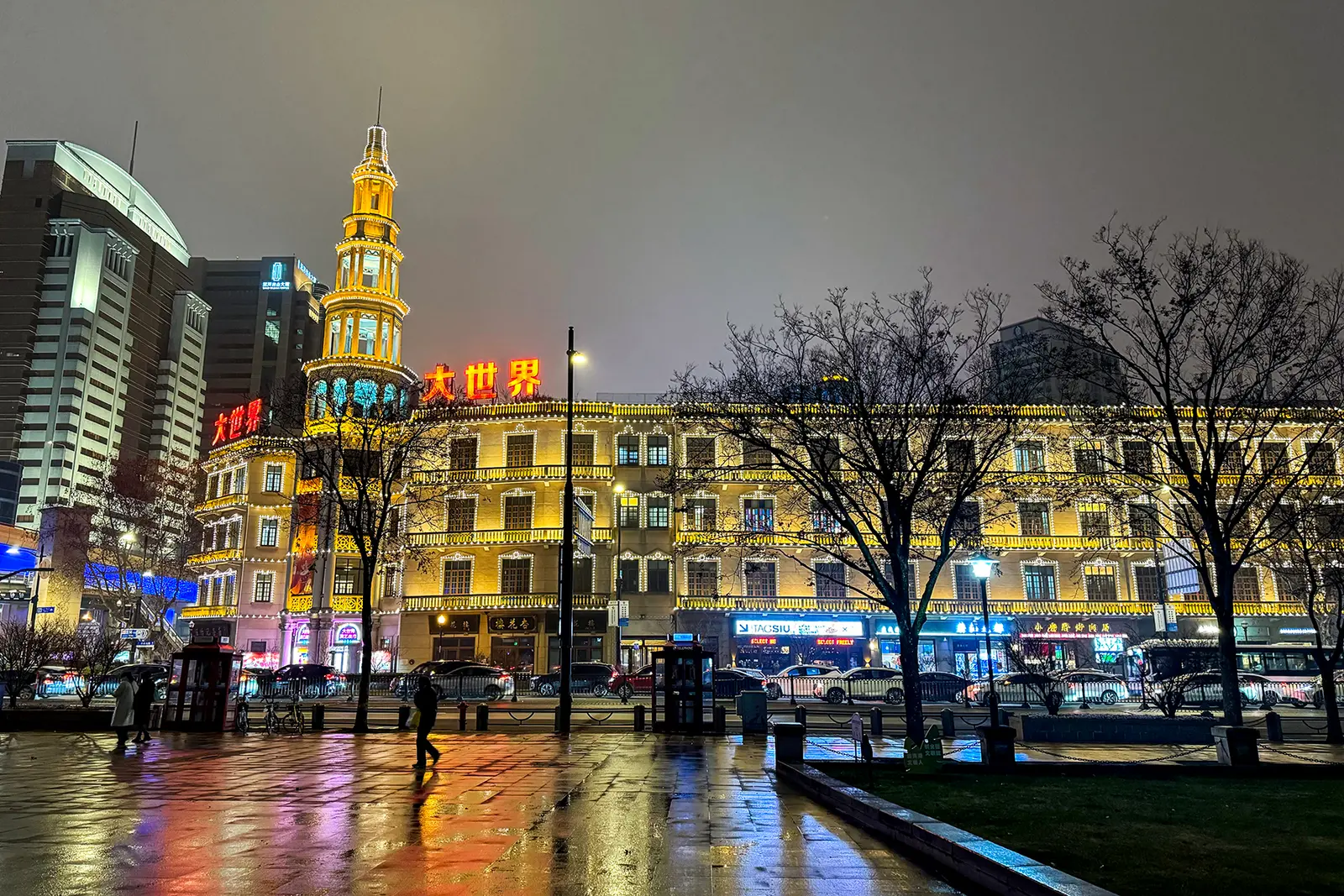
Yun Bong-gil joined the organisation on 26 April 1932. At noon on 28 April Kim and Yun ate together at the Chinese YMCA building beside Great World. The Independence Hall also records a tea house on Xingye Road, one block from the government’s office, as a place where they discussed the plan. On the morning of 29 April they had breakfast together at Kim Hae-san’s house. Yun gave Kim his new watch and took Kim’s old one, then left for Hongkou Park with two bombs. What happened there is told in the story of the government in Shanghai and on Yun Bong-gil’s page.
The bomb in Hongkou Park killed Kawabata Teiji, the head of the Japanese residents’ association, and General Shirakawa Yoshinori, the Japanese commander in Shanghai, died of his wounds in late May; sources give the 24th, 25th and 26th. The minister to China, Shigemitsu Mamoru, lost a leg. The American minister’s telegram that afternoon named Shigemitsu and Shirakawa as severely wounded.
For the government the price was Shanghai itself. The round-up that followed caught Ahn Changho at Yi Yu-pil’s house in Baokangli; he was taken to Seoul and imprisoned. The other leaders scattered. Jo So-ang and Kim Cheol reached Hangzhou on 10 May 1932, and Yi Dong-nyeong and others hid at the Xiulun silk mill in Jiaxing, where Kim joined them. Yun Bong-gil was executed in Japan that December.
Kim’s family paid too. His mother, Kwak Nak-won, who had come to Shanghai in 1922 and gone home with her grandson at the end of 1925, rejoined him in China in 1934 and followed the government into the interior. She died in Chongqing in 1939.
Escape from Shanghai
After the attack the police searched the French Concession for the government’s leaders. Kim hid in the house of George A. Fitch, an American YMCA secretary, for thirty-one days by Fitch’s own account, and then escaped to Jiaxing to the home of the Chinese supporter Chu Fucheng.
A Shanghai family tells a postscript. In the family’s telling, when Kim left he handed the Puqingli house to Liu Longsheng and her husband, the lawyer Gu Shouxi, their neighbours, and the family lived there until the early 1990s, when the house became a museum.
The government on the move
In 1933, at Chiang Kai-shek’s request, Kim met him at his residence in the Central Military Academy in Nanjing. Chiang agreed to train Korean officers at the Luoyang military academy, a programme that closed in 1935 after its first 25 graduates. Korean sources also report Chiang praising Yun, but they disagree on his words.
The government moved with the Chinese government as Japan’s armies advanced. In May 1938 Kim was shot and badly wounded at Changsha; his colleague Hyeon Ik-cheol was killed. In March 1940, in Chongqing, Kim became chairman of the State Council, and that year the Korean Liberation Army was formed.
He went home with the first group of the government’s members on 23 November 1945. He had the remains of Yun Bong-gil, Lee Bong-chang and Baek Jeong-gi brought from Japan and buried in Hyochang Park in Seoul. On 26 June 1949 he was shot dead at his house in Seoul by An Du-hui, an army second lieutenant. He was buried in Hyochang Park after a national funeral, and in 1962 the South Korean government awarded him its highest order.
Remembering Kim in Shanghai
The Madang Road house is his memorial in all but name. After Korea and Shanghai began a joint survey of the government’s sites in 1988, the house was restored and opened on 13 April 1993. Every Korean president from Roh Tae-woo to Lee Myung-bak came to see it after the two countries established relations in 1992, and Lee Jae-myung came in January 2026, the 150th anniversary year of Kim’s birth. The family that had lived in it since 1932 moved out when the museum opened.
Places connected with Kim
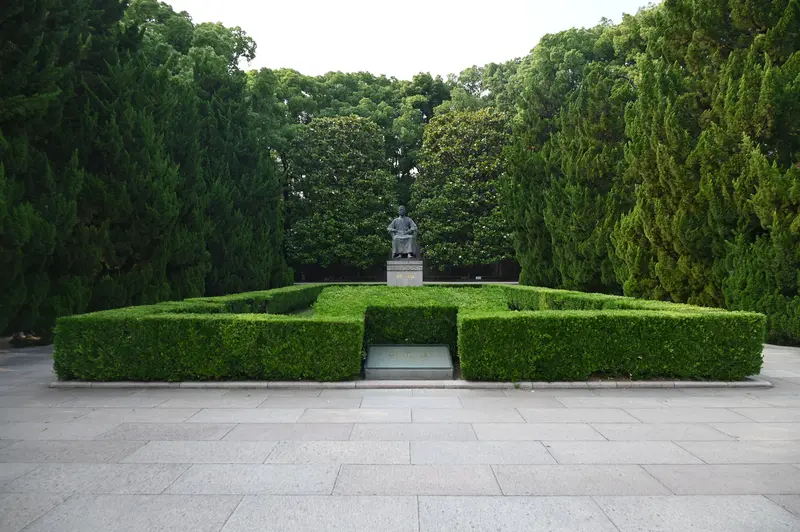
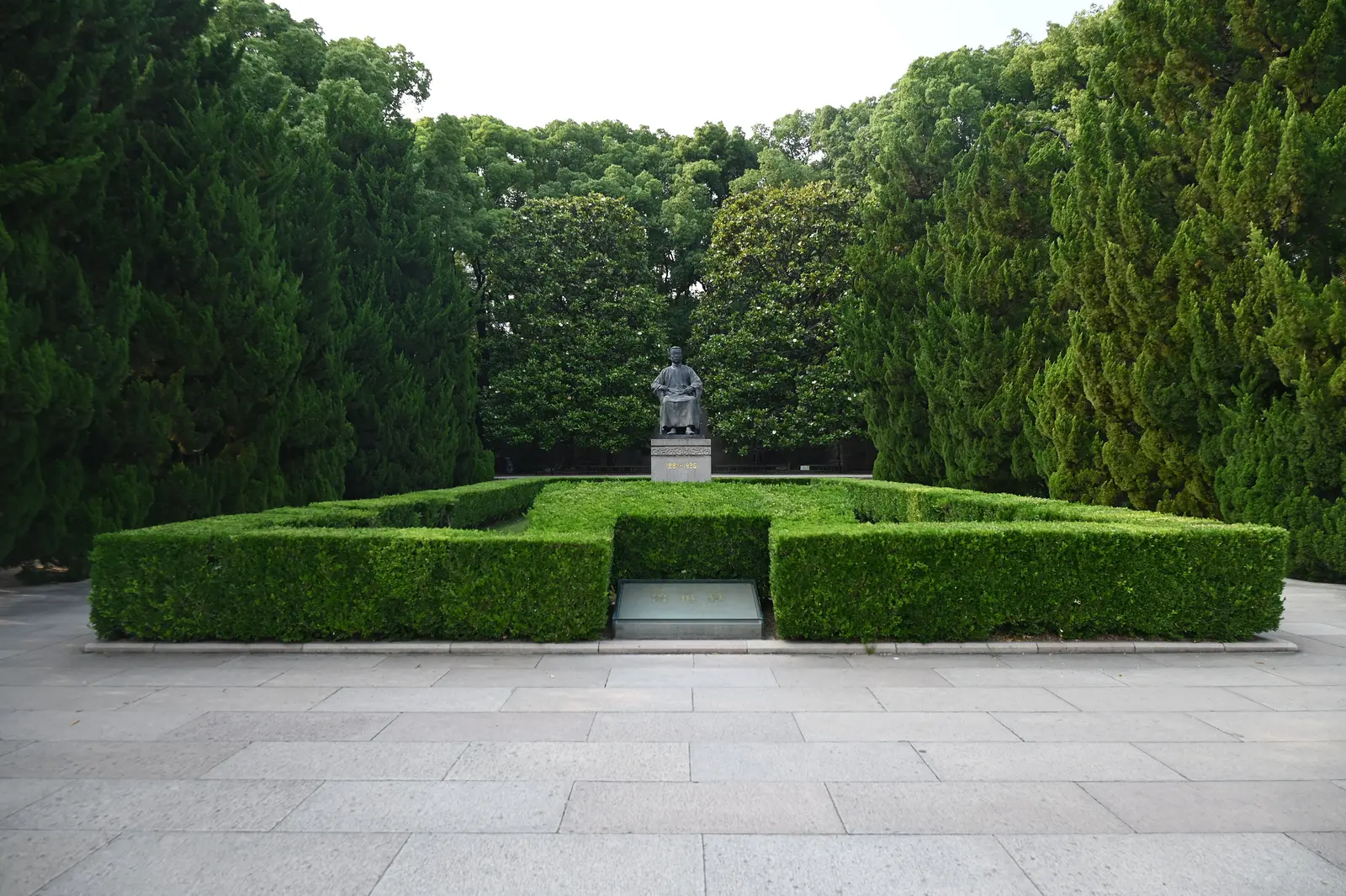
His office on the first floor of the Madang Road house is the place most connected with him in Shanghai. Two blocks away is the Yongqingfang lane on Huangpi Road South, where his wife died; the house has not been identified, and the lane is now restaurants and shops. The YMCA building on Xizang Road South, beside Great World, still stands as a hotel. The Xingye Road tea house is beside the First CPC Congress site. In Lu Xun Park, the Meixuan pavilion commemorates the attack he planned. The precise location of Fitch’s house, where he hid, remains uncertain.
What Shanghai says, and what the record shows
Popular stories, told in our words, checked against the sources listed below.
- Supported
The story: On the morning of the attack Yun Bong-gil gave Kim Ku his new watch and took Kim's old one, since he would not need a good watch for long.
The record: The exchange of watches at breakfast on 29 April 1932 is recorded by Korea's veterans ministry. The reason Yun is often quoted as giving is not in the sources used here.9
- Sources disagree
The story: Kim Ku lived in the Madang Road house as well as working there.
The record: A Shanghai gazetteer note says the office moved into his lodging in December 1926, and a Shanghai family's account says he handed the house to them when he left. The Independence Hall says that after his mother took his younger son home he rented a single-storey house on Route Vallon (呂班路) with other officials, and does not say he lived at Puqingli.5,13,15
- Unproven
The story: Chiang Kai-shek said that a single Korean youth had done what a million Chinese soldiers could not.
The record: The remark appears only as reported speech in Korean sources, and they disagree on the number: a million in one, 300,000 in another. No Chinese record of it has been found for this page.11
- Supported
The story: Kim Ku hid for a month in an American missionary's house while police searched the city.
The record: Korea's veterans ministry says he hid in the home of George A. Fitch, an American YMCA secretary. The figure of thirty-one days comes from Fitch's own memoir.1
Timeline
- 1876Born near Haeju, Hwanghae province1
- 1896Kills a Japanese man at Chihapo; arrested and sentenced to death, the sentence not carried out1
- 1898Escapes from Incheon prison1
- 1911Arrested in the An Myeong-geun case and sentenced to 17 years2
- 1919Reaches Shanghai on 13 April; becomes the government's police chief1
- 1922Moves his family into Yongqingfang; founds the Korean Labour-Soldier Society in October1,5
- 1924His wife Choe Jun-rye dies in Shanghai5
- 1926Becomes premier on 14 December; the government's office is now at Puqingli No. 41,13
- 1929Finishes the first volume of his memoir on 3 May2
- 1931Forms the Korean Patriotic Organisation2
- 1932Plans the Tokyo and Hongkou Park attacks; hides with the Fitch family, then escapes to Jiaxing1,2,9
- 1933Meets Chiang Kai-shek in Nanjing1
- 1940Chairman of the Provisional Government in Chongqing2
- 1945Returns to Korea on 23 November1
- 1949Shot dead in Seoul on 26 June2
Their Shanghai on the map
Tap a name in the text, or “map” in this list, to see where it is; names with their own page link to it.
- 01Yongqingfang lane, family home 1922–1926永庆坊(金九旧居)lived heremapNo. 10 Yongqingfang; today around Lane 350, Huangpi Road South. The house itself has not been identified. Approximate position.上海市黄浦区黄陂南路350弄approximate position
- 02
 Former Site of the Provisional Government大韩民国临时政府旧址worked heremapPhoto: Ericmetro (resized)
- 03Korean Labour-Soldier Society founding site韩国劳兵会成立地旧址foundedNo. 24 on today's Xing'an Road, 28 October 1922; now Hong Kong Plaza. Approximate position.上海市黄浦区淮海中路282-283号approximate position
- 04
 Chinese YMCA building, Baxianqiao中华基督教青年会大楼sitemap123 Xizang Road South; Kim and Yun met here at noon on 28 April 1932. Now a hotel. Approximate position.上海市黄浦区西藏南路123号approximate positionPhoto: Livelikerw, CC BY-SA 3.0, via Wikimedia Commons (resized)
- 05Tea house on Xingye Road兴业路169–171号sitemapListed by the Independence Hall as a place where Kim and Yun discussed the attack. Approximate position.上海市黄浦区兴业路169号approximate position
- 06
 Hongkou Park, now Lu Xun Park虹口公园(今鲁迅公园)sitemapPhoto: Ioseph Franciscus, CC BY-SA 4.0, via Wikimedia Commons (resized)


Connections
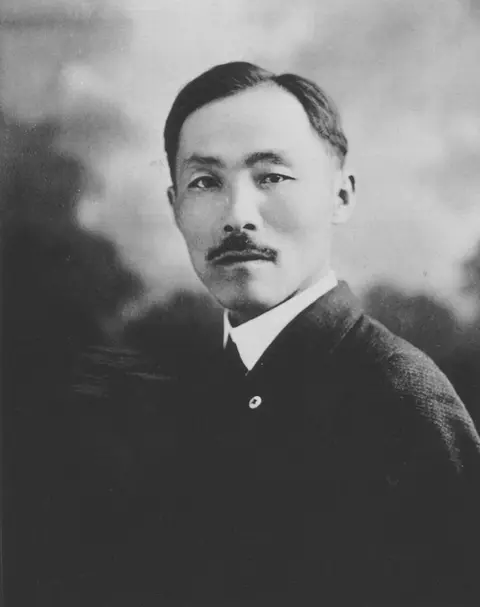 Ahn Changho安昌浩Ahn Changho, as interior minister, oversaw his appointment as police chief in 1919
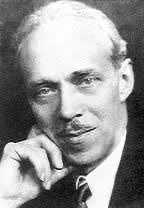 George A. Fitch费吴生Hid in his house after the Hongkou Park attack
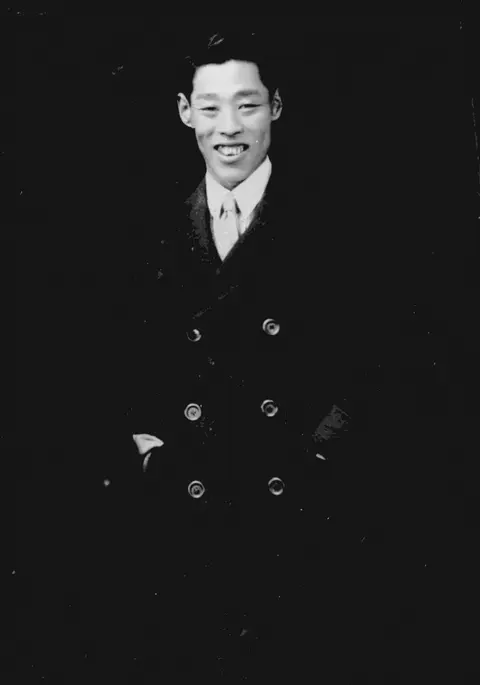 Lee Bong-chang李奉昌Sent him to Tokyo as the first member of the Korean Patriotic Organisation
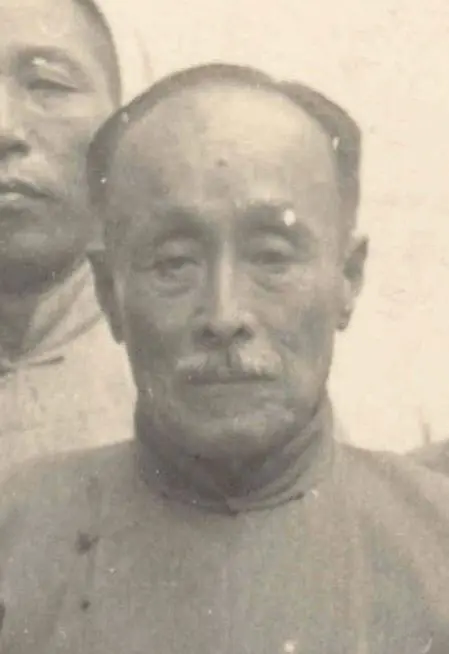 Yi Dong-nyeong李东宁Fellow founder of the Korean Independence Party (1930) and of the government's leadership in exile
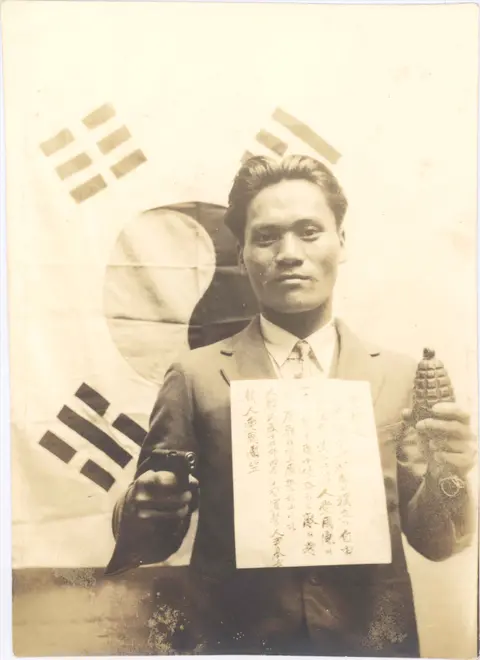 Yun Bong-gil尹奉吉Recruited him to the Korean Patriotic Organisation and ate breakfast with him on the morning of the Hongkou Park attack
Places
Building· 1929–1931
Former Chinese YMCA Building, Baxianqiao
八仙桥青年会大楼Bāxiānqiáo Qīngniánhuì Dàlóu
Chinese roof forms crown a modern YMCA building where Korean independence leaders met and Lu Xun visited a woodcut exhibition.
Site· 1925
Former Site of the Provisional Government of the Republic of Korea
大韩民国临时政府旧址Dàhán Mínguó Línshí Zhèngfǔ Jiùzhǐ
A restored three-storey lane house on Madang Road, used 1926-1932 as the office of the Korean Provisional Government and now an exhibition hall.

Building· 1917–1928
Great World
大世界Dàshìjiè
An amusement hall opened in 1917 and rebuilt in 1928, now a venue for intangible cultural heritage performances at Yan'an Road and Xizang Road.
Park· 1909
Lu Xun Park
鲁迅公园Lǔ Xùn Gōngyuán
A Hongkou park laid out by the Shanghai Municipal Council in 1909, now holding Lu Xun's tomb, his memorial hall and a memorial to Yun Bong-gil.
Site
Tea house site, 169–171 Xingye Road
兴业路169–171号(原茶馆)Xīngyè Lù 169–171 Hào
The recorded site of a tea house where Kim Ku and Yun Bong-gil discussed the 1932 Hongkou Park attack; original fabric is unconfirmed.
Lane
Yongqingfang (Lane 350, Huangpi Road South)
永庆坊(黄陂南路350弄)Yǒngqìngfāng
Around this lane, Kim Ku's family lived at Yongqingfang No. 10 in the 1920s. The exact house has not been identified.
Stories
Sources
- 1.Independence activist of the month: Kim Ku (August 2019) (이달의 독립운동가: 김구 (2019년 8월)), Ministry of Patriots and Veterans Affairs (e-Gonghun), 2019 — 생애 첫 단락; 생애; 가족; 망명; 1926; 1922; 1923; 1929; 1932; 1933; 1938; 환국website
- 2.'Kim Ku', Encyclopedia of Korean Culture (김구 - 한국민족문화대백과사전), 임중빈, Academy of Korean Studies, 2025 — 개설; 생애; media caption and referenceswebsite
- 3.Kim Ku's wife Choe Jun-rye recognised as an independence patriot (백범 배우자 최준례 여사 건국훈장), Kyeongin Ilbo, 2026 — bodyarticle
- 4.Overseas independence-movement sites: founding place of the Korean Labour-Soldier Society (상하이 한국노병회 결성지 터 - 국외독립운동사적지), Independence Hall of Korea — entry textwebsite
- 5.Overseas independence-movement sites: KPG leaders' residence, Yongqingfang (상하이 대한민국임시정부 요인 거주지 (영경방) - 국외독립운동사적지), Independence Hall of Korea — entry textwebsite
- 6.Kim Ku reconsidered: the Baekbeom Ilji (白凡 재조명: 백범일지 (1998-06-15)), Seoul Shinmun, 1998 — bodyarticle
- 7.'Korean Patriotic Organisation', Encyclopedia of Korean Culture (한인애국단 - 한국민족문화대백과사전), 윤상원, Academy of Korean Studies, 2021 — 개설website
- 8.'Lee Bong-chang', Encyclopedia of Korean Culture (이봉창 - 한국민족문화대백과사전), 이현희, Academy of Korean Studies, 2023 — 생애website
- 9.Overseas independence-movement sites: the Chinese YMCA building (상하이 윤봉길 의거 협의 장소 (중국기독교청년회관) - 국외독립운동사적지), Independence Hall of Korea — entry textwebsite
- 10.Overseas independence-movement sites: the tea house on Xingye Road (상하이 윤봉길 의거 협의지 (사해다관) - 국외독립운동사적지), Independence Hall of Korea — entry textwebsite
- 11.Independence activist of the month: Yun Bong-gil (December 2019) (이달의 독립운동가: 윤봉길 (2019년 12월)), Ministry of Patriots and Veterans Affairs (e-Gonghun), 2019 — bodywebsite
- 12.English Wikipedia (article given in each fact's locator) (English Wikipedia), Wikimedia Foundation — Kim Ku (quoting Fitch, My Eighty Years in China, 1967); Kwak Nagwŏnwikipedia
- 13.Overseas independence-movement sites: KPG office, Malang Road (Madang Road) (대한민국임시정부 상하이 청사 (마랑로) - 국외독립운동사적지), Independence Hall of Korea — entry textwebsite
- 14.This day in history, 29 April: the Hongkou Park bombing (历史上的今天:4月29日(虹口公园爆炸事件发生)), Shanghai Gazetteer Office (上海市地方志办公室) — 1932 entrygazetteer
- 15.Huangpu District gazetteer office receives papers on the Korean Provisional Government site (2015) (黄浦区方志办收到大韩民国临时政府上海旧址相关资料), Shanghai Gazetteer Office (上海市地方志办公室), 2015 — paragraph 3; last paragraph; paragraph 9gazetteer
- 16.'Hyochang Park, Seoul', Encyclopedia of Korean Culture (서울 효창공원 - 한국민족문화대백과사전), Academy of Korean Studies — bodywebsite
- 17.Biographical Dictionary of the Independence Movement: Yun Bong-gil (독립운동인명사전: 윤봉길), 신용하, Independence Hall of Korea — bodywebsite
- 18.President Lee at the provisional government site in Shanghai (7 January 2026) (President Lee stresses Korea-China shared history during provisional gov't site visit in Shanghai), Sarah Kim, Korea JoongAng Daily, 2026 — bodyarticle
- 19.'Shanghai Tenchōsetsu bombing', Japanese Wikipedia (上海天長節爆弾事件), Wikimedia Foundation — 被害wikipedia
- 20.'Shirakawa is dead': after Yun Bong-gil's attack ((97) '시라카와가 죽었다' 윤봉길 의거 그 후), Weekly Kyunghyang, 2023 — bodyarticle
- 21.Foreign Relations of the United States 1932, vol. III, document 781 (The Minister in China (Johnson) to the Acting Secretary of State, Shanghai, April 29, 1932, 1 p.m.), Nelson T. Johnson, Office of the Historian, U.S. Department of State, 1932 — full textarchive
- 22.Overseas independence-movement sites: Yi Yu-pil's house, Baokangli (상하이 이유필 거주지 터 - 국외독립운동사적지), Independence Hall of Korea — entry textwebsite
- 23.'Ahn Changho', Encyclopedia of Korean Culture (안창호 - 한국민족문화대백과사전), 손인수, Academy of Korean Studies, 2022 — 생애website
- 24.'Korean Provisional Government', Encyclopedia of Korean Culture (대한민국 임시정부 - 한국민족문화대백과사전), 김정인, Academy of Korean Studies, 2023 — 1932website
- 25.'Yi Dong-nyeong', Encyclopedia of Korean Culture (이동녕 - 한국민족문화대백과사전), 이현희, Academy of Korean Studies, 1995 — 생애website
- 26.'Korean Residents' Association of Shanghai', Encyclopedia of Korean Culture (상해대한인거류민단 - 한국민족문화대백과사전), 윤상원, Academy of Korean Studies, 2021 — 개설/연원website
- 27.The Korean Provisional Government and the Shanghai French Concession (대한민국 임시정부와 상하이 프랑스조계), National Memorial Hall of the Korean Provisional Government (webzine), 2022 — population paragrapharticle