People · independence activist, rural educator
Yun Bong-gil
尹奉吉Yǐn Fèngjí · 1908–1932
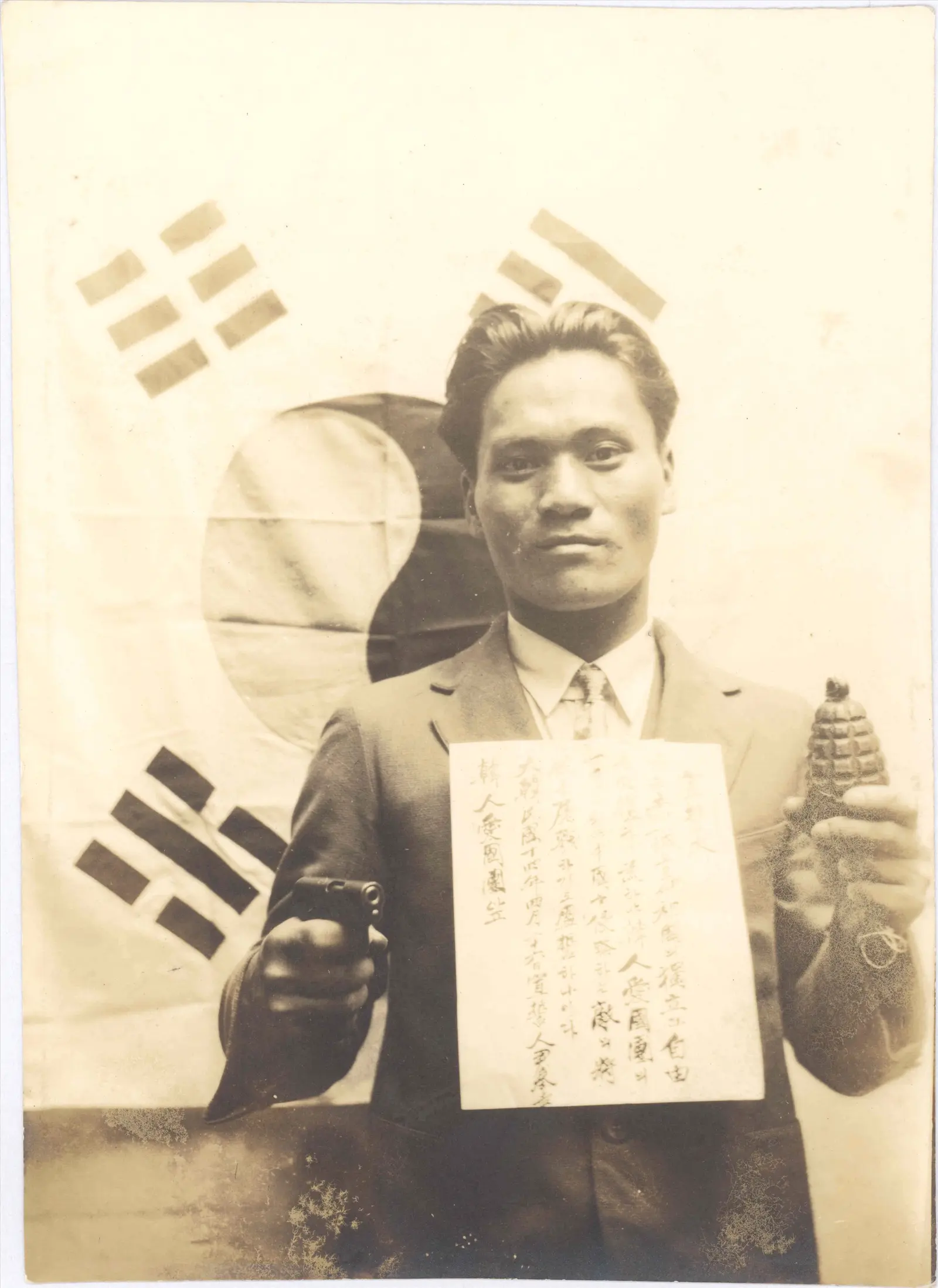
Korean independence activist (1908–1932) who threw the bomb at the Japanese ceremony in Hongkou Park on 29 April 1932; executed in Japan that December.
This page in other languages: 한국어
- Born
- 1908
- Died
- 1932
- Known as
- independence activist, rural educator
- Also written
- Yun Pong-gil · Maeheon · Yun U-ui · 梅轩 · 尹禹儀 · 윤봉길
Loading map…
Yun Bong-gil (尹奉吉, 윤봉길) threw the bomb at the Japanese ceremony in Hongkou Park, now Lu Xun Park, on 29 April 1932. He was 23. The attack killed two Japanese leaders, maimed others, and forced the Korean Provisional Government out of Shanghai. Yun was executed in Japan that December.
In South Korea he is honoured as a patriot, and a pavilion in Lu Xun Park carries his pen name, Meixuan (梅軒). In Japanese accounts the attack is the bombing of a public ceremony that killed a general and the head of the residents’ association.
A village teacher
He was born on 21 June 1908 at Deoksan in Yesan county, South Chungcheong, the eldest of eight children. His given name was U-ui; Bong-gil began as a nickname, and he later took the pen name Maeheon, “plum-blossom eaves”. He entered the local common school in 1918 and left it the following year, after the March First Movement.
He stayed in his village and taught. In 1927 he wrote a reader for farmers and ran night classes, and in 1929 he founded a village self-help society, the Woljinhoe, and became its head. From January 1929 he also kept a diary.
On 6 March 1930 he left home for Manchuria. He left behind a line of classical Chinese, 丈夫出家生不還: a man who leaves home does not come back alive until his aim is achieved. He did not get far at first: on the way he was held for 45 days at Seoncheon.
The journey to Shanghai
He spent about a year in Qingdao working in a laundry, to pay back the travel money his village society had raised for him, and sent money home. He then moved to Shanghai. The Encyclopedia of Korean Culture says he arrived in August 1931, but the Independence Hall’s biographical dictionary quotes a letter he wrote to his mother from Qingdao dated 18 October 1931, so the date is uncertain.
In Shanghai he lodged on the third floor of a house belonging to An Gong-geun, the youngest brother of An Jung-geun, in the Hehefang lane off Route Joffre. He worked in a factory run by the Korean businessman Park Jin and studied English. In the spring of 1932 he posed as a vegetable seller to watch Japanese troops.
Preparing the attack
On 26 April 1932 Yun joined the Korean Patriotic Organisation, the secret unit Kim Ku had formed the year before, and wrote out its oath: to kill the officers of the enemy invading China. Lee Bong-chang, who had thrown a grenade at the Japanese emperor in Tokyo in January, had taken the same oath.
On 27 April he moved to new lodgings, No. 30 in the Dongfang Apartments on Rue Amiral Bayle, and had his photograph taken in a suit at An Gong-geun’s house. At noon on 28 April he and Kim Ku ate together at the Chinese YMCA building beside Great World, and the Independence Hall lists a tea house on Xingye Road as another place where they talked over the plan. That day he also wrote a poem to his two baby sons, Mo-sun and Dam, at home in Korea.
On the morning of 29 April he ate breakfast with Kim Ku at Kim Hae-san’s house. He gave Kim his new watch and took Kim’s old one. He was handed two bombs, one made to look like a lunch box and one like a water bottle, which had come through Kim Hong-il, a Korean officer in the Chinese army, and the Shanghai arsenal. He reached Hongkou Park at about ten to eight.
Hongkou Park, 29 April 1932
It was the Emperor’s birthday, Tenchōsetsu, and the Japanese army and residents held a review in the park. Korean sources call it a combined birthday and victory celebration. A Shanghai gazetteer note says Minister Shigemitsu, General Shirakawa, Admiral Nomura of the Third Fleet and Consul-General Murai led more than 10,000 Japanese troops and more than 10,000 Japanese residents. The American minister in China, Nelson T. Johnson, cabled Washington at one o’clock that afternoon. “At about 11:30 this morning”, he reported, during the military review, a man had thrown a bomb onto the speakers’ stand. Korean sources put the time at about 11:40 or 11:50, as the Japanese anthem was ending.
Seven people on the stand were hit: the consul-general Murai Kuramatsu, Lieutenant-General Ueda Kenkichi, General Shirakawa Yoshinori, Vice-Admiral Nomura Kichisaburō, the minister to China Shigemitsu Mamoru, and Kawabata Teiji and Tomono of the Japanese residents’ association. Kawabata died. Shirakawa, the commander of Japan’s forces in Shanghai, died of his wounds in late May. Shigemitsu lost a leg, and Nomura an eye. The sources disagree on many details of the injuries.
Yun was seized at the scene. The second bomb, in the lunch box, did not go off.
The next day China’s Foreign Ministry telegraphed that the bomb-thrower was a Korean already in Japanese hands and that the park had been guarded so that Chinese could not enter it. On 1 May Japan said it would go on with the ceasefire talks “notwithstanding the Hongkew Park incident”, and the truce ending the fighting in Shanghai was signed on 5 May.
The Korean community after the attack
The French police, who had largely left the Korean movement alone, now helped the Japanese search the Concession, and only became less willing after the truce of 5 May. The round-up caught Ahn Changho, one of the government’s founders, at Yi Yu-pil’s house in the Baokangli lane. Kim Ku hid in the house of the American YMCA secretary George A. Fitch and then escaped to Jiaxing. The other leaders left too, and Jo So-ang and Kim Cheol reached Hangzhou on 10 May. The story of the government follows what happened to its office on Madang Road.
Execution and reburial
A Japanese court-martial in Shanghai sentenced him to death on 25 May 1932. On 18 November he was shipped to Japan, first to Osaka. On 18 December he was moved to Kanazawa, and at 7:30 the next morning, 19 December 1932, he was shot at an army engineers’ ground outside the city. He was 24.
After Korea’s liberation, his remains were brought home and buried in Hyochang Park in Seoul alongside those of Lee Bong-chang and Baek Jeong-gi. Kim Ku, back in Korea, arranged the reburial. In 1962 South Korea awarded Yun its highest order of merit.
The memorial in Lu Xun Park
In Shanghai he is remembered in Lu Xun Park. In 1994 a pavilion called Meiting (梅亭) was built there to mark the attack, and in 1998 a memorial stone was put up 40 metres away. In 2009 the pavilion’s plaque was changed to Meixuan, after his pen name, and an exhibition was added in 2015. Some researchers now doubt that the stone stands on the actual spot.
Places connected with Yun
In Lu Xun Park, look for the Meixuan pavilion, with its exhibition, and the memorial stone 40 metres from it. Take Metro Line 3 or 8 to Hongkou Football Stadium.
In the former French Concession, the YMCA building on Xizang Road South beside Great World still stands, and the Xingye Road tea house is one block from the Provisional Government site on Madang Road. A Korean plaque of 2020 on a house in Yuanchangli, off Yandang Road, marks it as Kim Hae-san’s house, where Yun ate his last breakfast, but historians say the identification lacks evidence. It is a private home.
His lodgings, An Gong-geun’s house and the Dongfang Apartments, have not been identified today.
What Shanghai says, and what the record shows
Popular stories, told in our words, checked against the sources listed below.
- Supported
The story: On his last morning Yun swapped his new watch for Kim Ku's old one.
The record: Korea's veterans ministry records the exchange of watches at breakfast on 29 April 1932.1
- Sources disagree
The story: The stone inside the Meixuan entrance in Lu Xun Park marks the spot where Yun threw the bomb.
The record: The pavilion dates from 1994 and the stone from 1998. Some researchers now argue that the attack happened elsewhere in the park, nearer today's Lu Xun statue.13,14
- Not what the record shows
The story: General Shirakawa died on the spot.
The record: One Korean encyclopedia entry says so, but other Korean, Japanese and contemporary accounts agree he was wounded and died weeks later, in late May 1932.2
- Unproven
The story: Chiang Kai-shek said that one Korean youth had done what a million Chinese soldiers could not.
The record: The words are reported only in Korean sources, which disagree on the number (a million in one, 300,000 in another).1
Timeline
- 1908Born on 21 June in Yesan, South Chungcheong1
- 1919Leaves the Japanese-run school after the March First Movement2
- 1927Writes a reader for farmers and runs night classes2
- 1930Leaves home on 6 March with a farewell note1
- 1931Works in Qingdao, then moves to Shanghai1,2
- 1932Joins the Korean Patriotic Organisation on 26 April; throws the bomb in Hongkou Park on 29 April1,3
- 1932Sentenced to death on 25 May; shot near Kanazawa on 19 December2
- 1946Remains brought home and buried in Hyochang Park, Seoul1
- 1962Awarded South Korea's highest order of merit2
Their Shanghai on the map
Tap a name in the text, or “map” in this list, to see where it is; names with their own page link to it.
- 01
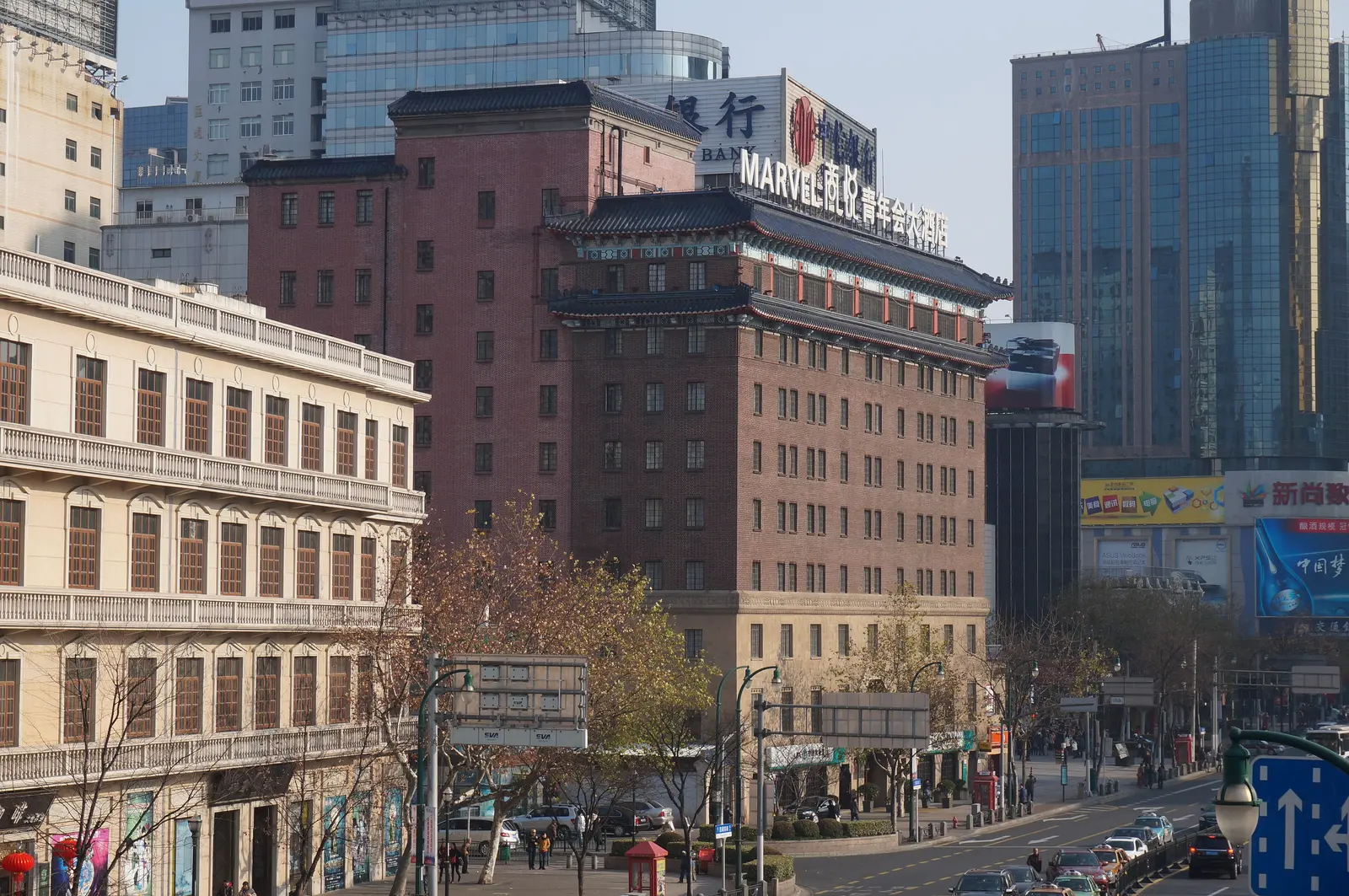
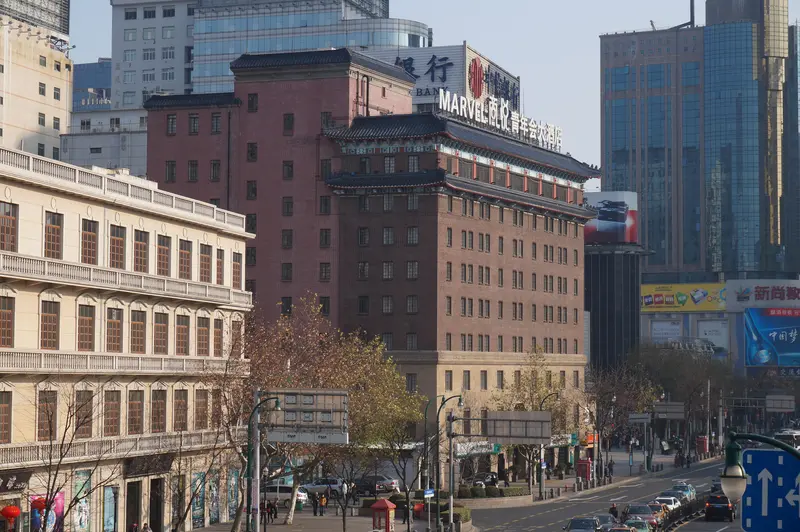 Chinese YMCA building, Baxianqiao中华基督教青年会大楼sitemap123 Xizang Road South; Yun and Kim Ku met here at noon on 28 April 1932. Now a hotel. Approximate position.上海市黄浦区西藏南路123号approximate positionPhoto: Livelikerw, CC BY-SA 3.0, via Wikimedia Commons (resized)
- 02Tea house on Xingye Road兴业路169–171号sitemapListed by the Independence Hall as a place where Yun and Kim Ku discussed the plan. Approximate position.上海市黄浦区兴业路169号approximate position
- 03Kim Hae-san's house (identification disputed)元昌里13号(雁荡路)sitemapWhere Yun is said to have eaten his last breakfast; a private home with a Korean plaque of 2020. Yuanchangli is Lane 56, Yandang Road. Approximate position.上海市黄浦区雁荡路56弄approximate position
- 04
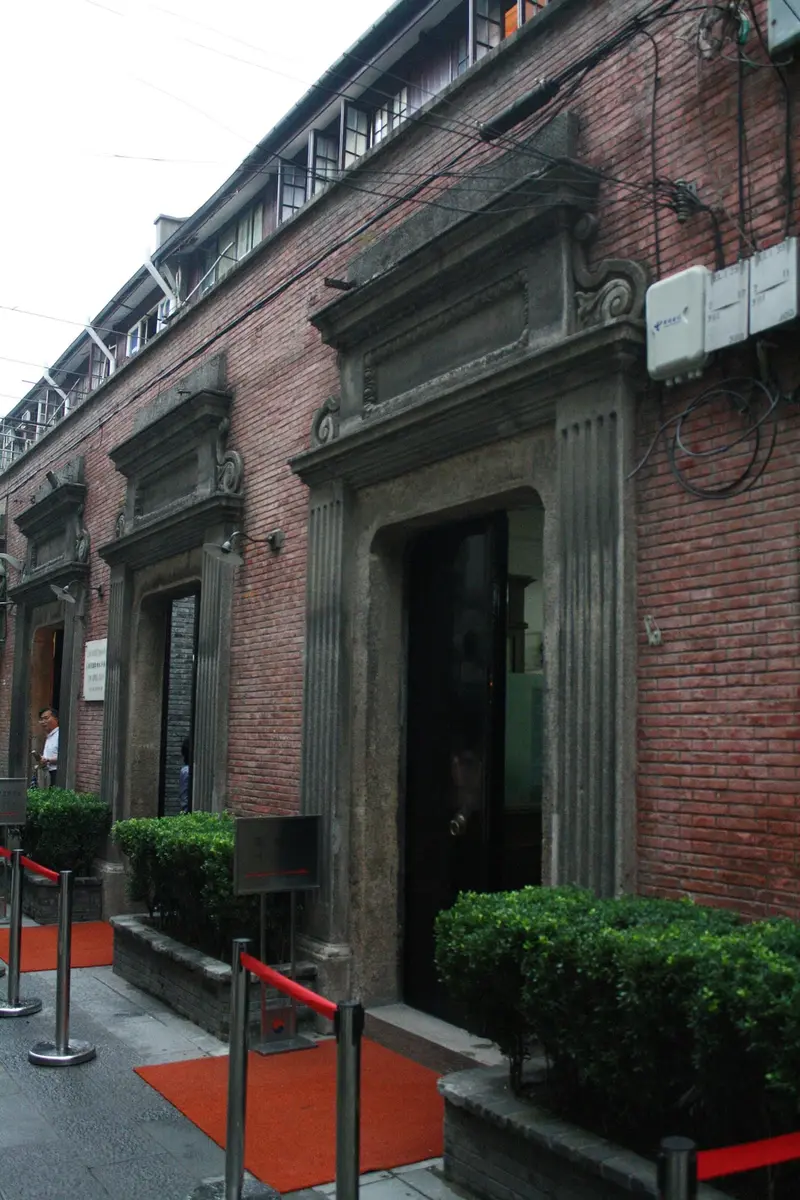 Former Site of the Provisional Government大韩民国临时政府旧址sitemapPhoto: Ericmetro (resized)
- 05
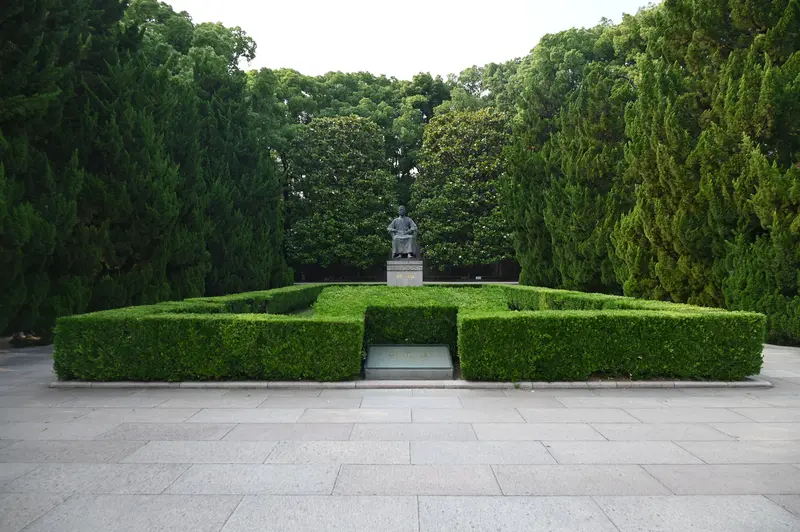 Hongkou Park, now Lu Xun Park虹口公园(今鲁迅公园)sitemapPhoto: Ioseph Franciscus, CC BY-SA 4.0, via Wikimedia Commons (resized)


Connections
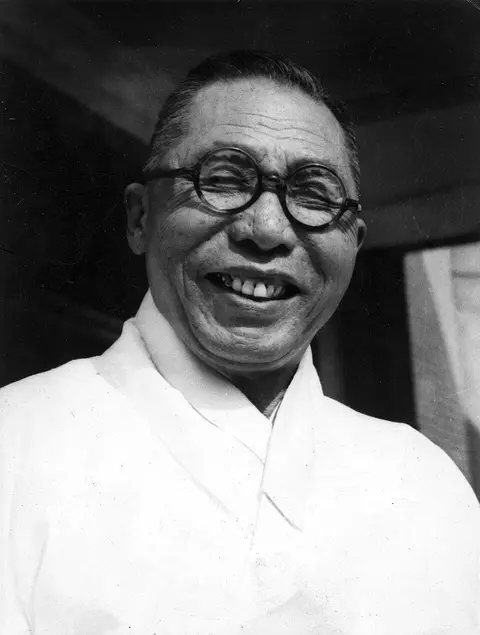 Kim Ku金九Recruited him to the Korean Patriotic Organisation and ate breakfast with him on the morning of the Hongkou Park attack
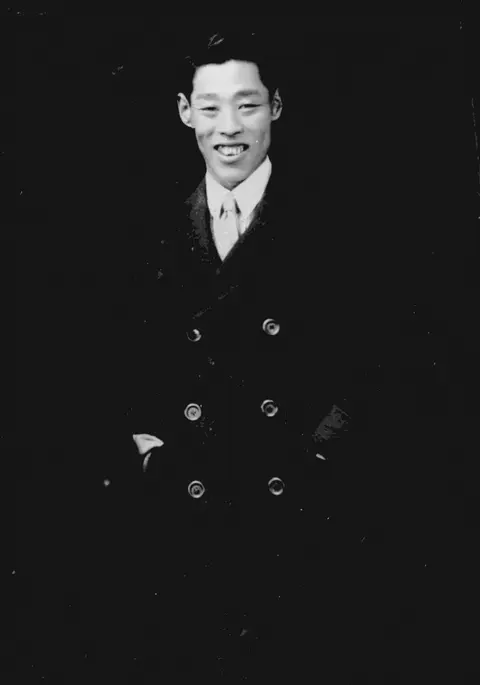 Lee Bong-chang李奉昌Fellow member of the Korean Patriotic Organisation; both took its oath at An Gong-geun's house
Places
Building· 1929–1931
Former Chinese YMCA Building, Baxianqiao
八仙桥青年会大楼Bāxiānqiáo Qīngniánhuì Dàlóu
Chinese roof forms crown a modern YMCA building where Korean independence leaders met and Lu Xun visited a woodcut exhibition.
Site· 1925
Former Site of the Provisional Government of the Republic of Korea
大韩民国临时政府旧址Dàhán Mínguó Línshí Zhèngfǔ Jiùzhǐ
A restored three-storey lane house on Madang Road, used 1926-1932 as the office of the Korean Provisional Government and now an exhibition hall.

Building· 1917–1928
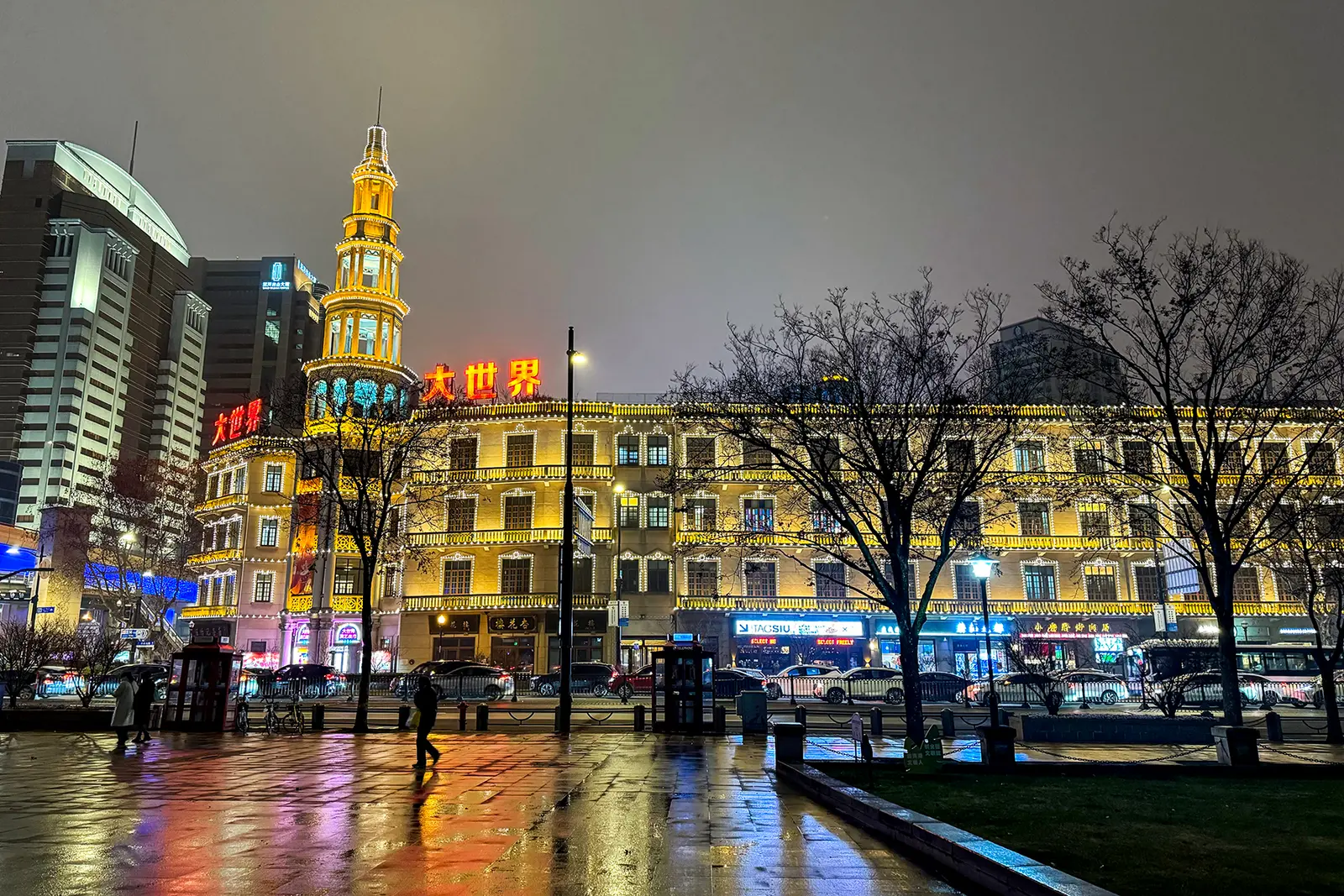
Great World
大世界Dàshìjiè
An amusement hall opened in 1917 and rebuilt in 1928, now a venue for intangible cultural heritage performances at Yan'an Road and Xizang Road.
Park· 1909
Lu Xun Park
鲁迅公园Lǔ Xùn Gōngyuán
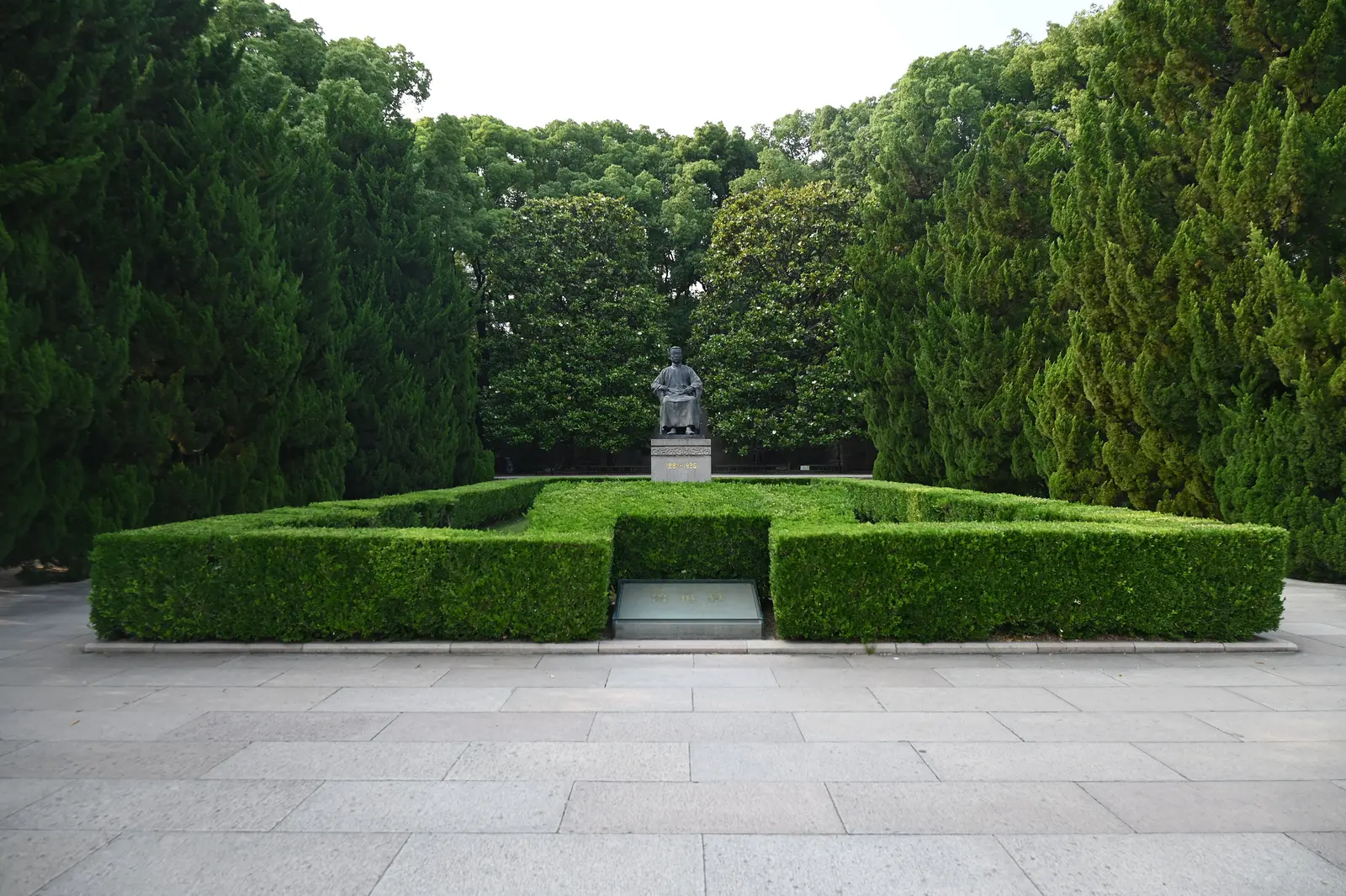
A Hongkou park laid out by the Shanghai Municipal Council in 1909, now holding Lu Xun's tomb, his memorial hall and a memorial to Yun Bong-gil.
Site
Tea house site, 169–171 Xingye Road
兴业路169–171号(原茶馆)Xīngyè Lù 169–171 Hào
The recorded site of a tea house where Kim Ku and Yun Bong-gil discussed the 1932 Hongkou Park attack; original fabric is unconfirmed.
Lane
Yuanchangli (Lane 56, Yandang Road)
元昌里(雁荡路56弄)Yuánchānglǐ
A residential lane with a disputed link to Yun Bong-gil's breakfast before the Hongkou Park attack; No. 13 remains a private home.
Stories
Sources
- 1.Independence activist of the month: Yun Bong-gil (December 2019) (이달의 독립운동가: 윤봉길 (2019년 12월)), Ministry of Patriots and Veterans Affairs (e-Gonghun), 2019 — body, first paragraph; bodywebsite
- 2.'Yun Bong-gil', Encyclopedia of Korean Culture (윤봉길 - 한국민족문화대백과사전), 이현희, Academy of Korean Studies, 2023 — 개설; 생애; 생애, last paragraph; 생애: '천장절(天長節) 겸 전승축하기념식'website
- 3.Biographical Dictionary of the Independence Movement: Yun Bong-gil (독립운동인명사전: 윤봉길), 신용하, Independence Hall of Korea — body; body, oath textwebsite
- 4.'Lee Bong-chang', Encyclopedia of Korean Culture (이봉창 - 한국민족문화대백과사전), 이현희, Academy of Korean Studies, 2023 — 생애: '안중근(安重根)의 막내동생인 안공근(安恭根)'; 생애website
- 5.Overseas independence-movement sites: the Chinese YMCA building (상하이 윤봉길 의거 협의 장소 (중국기독교청년회관) - 국외독립운동사적지), Independence Hall of Korea — entry textwebsite
- 6.Foreign Relations of the United States 1932, vol. III, document 781 (The Minister in China (Johnson) to the Acting Secretary of State, Shanghai, April 29, 1932, 1 p.m.), Nelson T. Johnson, Office of the Historian, U.S. Department of State, 1932 — full textarchive
- 7.'Shanghai Tenchōsetsu bombing', Japanese Wikipedia (上海天長節爆弾事件), Wikimedia Foundation — 被害wikipedia
- 8.'Shirakawa is dead': after Yun Bong-gil's attack ((97) '시라카와가 죽었다' 윤봉길 의거 그 후), Weekly Kyunghyang, 2023 — bodyarticle
- 9.'Hongkou Park attack', Encyclopedia of Korean Culture (훙커우공원 의거 - 한국민족문화대백과사전), 신재홍, Academy of Korean Studies, 2023 — 내용website
- 10.Foreign Relations of the United States 1932, vol. III, document 787 (The Chinese Ministry of Foreign Affairs at Nanking to the Chinese Legation, April 30, 1932), Office of the Historian, U.S. Department of State, 1932 — full textarchive
- 11.'Kim Ku', Encyclopedia of Korean Culture (김구 - 한국민족문화대백과사전), 임중빈, Academy of Korean Studies, 2025 — 생애website
- 12.'Hyochang Park, Seoul', Encyclopedia of Korean Culture (서울 효창공원 - 한국민족문화대백과사전), Academy of Korean Studies — bodywebsite
- 13.Overseas independence-movement sites: Hongkou Park and the Yun Bong-gil memorial (상하이 윤봉길 의거지 (윤봉길의사기념관) - 국외독립운동사적지), Independence Hall of Korea — entry textwebsite
- 14.On Kim Ku's road in China: Kim Ku and Yun Bong-gil ([중국 백범 김구 로드를 가다] 백범과 홍커우 의거 윤봉길과 만남과 이별), 장용준, Namdo Ilbo (via Daum), 2026 — Hongkou sectionarticle
- 15.Foreign Relations of the United States 1932, vol. III, document 790 (The Minister in China (Johnson) to the Acting Secretary of State, Shanghai, May 1, 1932, 4 p.m.), Nelson T. Johnson, Office of the Historian, U.S. Department of State, 1932 — full textarchive
- 16.The Korean Provisional Government and the Shanghai French Concession (대한민국 임시정부와 상하이 프랑스조계), National Memorial Hall of the Korean Provisional Government (webzine), 2022 — French police sectionarticle
- 17.English Wikipedia (article given in each fact's locator) (English Wikipedia), Wikimedia Foundation — Yun Bong-gilwikipedia
- 18.This day in history, 29 April: the Hongkou Park bombing (历史上的今天:4月29日(虹口公园爆炸事件发生)), Shanghai Gazetteer Office (上海市地方志办公室) — 1932 entrygazetteer
- 19.Overseas independence-movement sites: Yi Yu-pil's house, Baokangli (상하이 이유필 거주지 터 - 국외독립운동사적지), Independence Hall of Korea — entry textwebsite
- 20.'Korean Provisional Government', Encyclopedia of Korean Culture (대한민국 임시정부 - 한국민족문화대백과사전), 김정인, Academy of Korean Studies, 2023 — 1932website
- 21.Independence activist of the month: Kim Ku (August 2019) (이달의 독립운동가: 김구 (2019년 8월)), Ministry of Patriots and Veterans Affairs (e-Gonghun), 2019 — 1932website