Building · in Jing'an
Marble Hall (Kadoorie Mansion)
嘉道理爵士住宅Jiādàolǐ Juéshì Zhùzhái
The Kadoorie family's marble-lined mansion, completed by 1924, has housed the China Welfare Institute Children's Palace since 1953.
- Built
- 1924
- Style
- neoclassical
- Heritage listing
- Shanghai Outstanding Historical Building · municipal · 1st batch · 1989
- Status
- Visitor access not yet confirmed
- Then in
- Chinese territory throughout; outside the foreign settlements
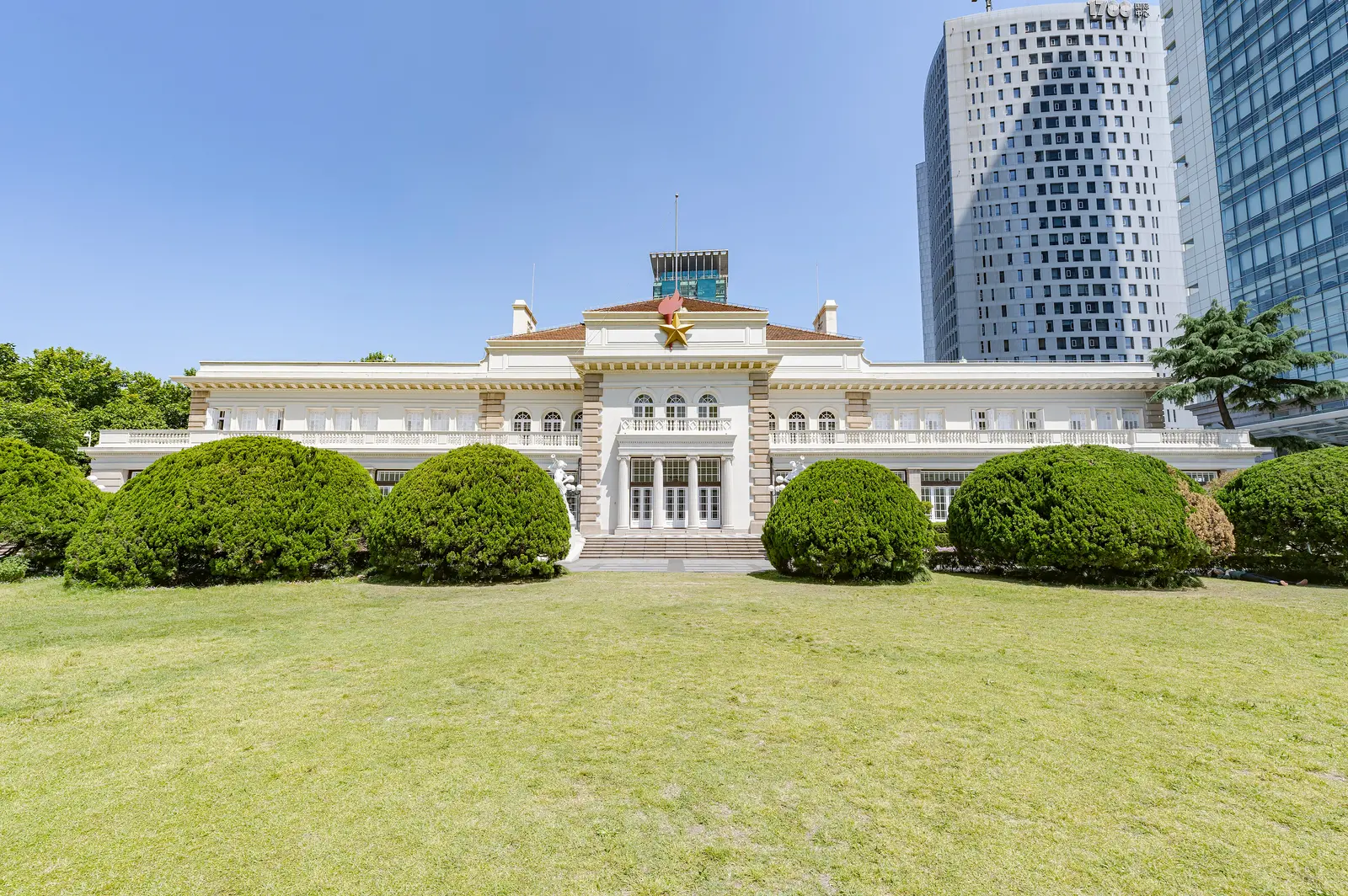
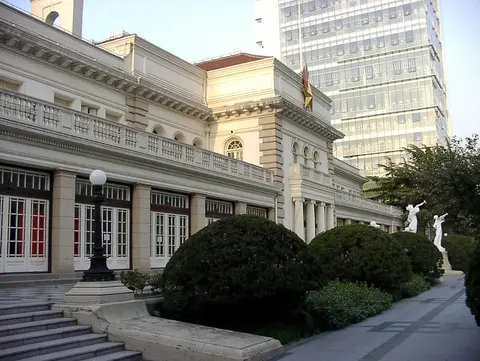
Marble Hall across its lawn, 2024.
Photo: ScareCriterion12 · CC0
What you're looking at
- The symmetrical south front, with Ionic columns and arched openings, if visible from an authorised visiting area.
- If admitted to the grounds, the lawn in front of the mansion.
- On an authorised interior visit, the marble decoration and rooms adapted for music, dance and teaching.
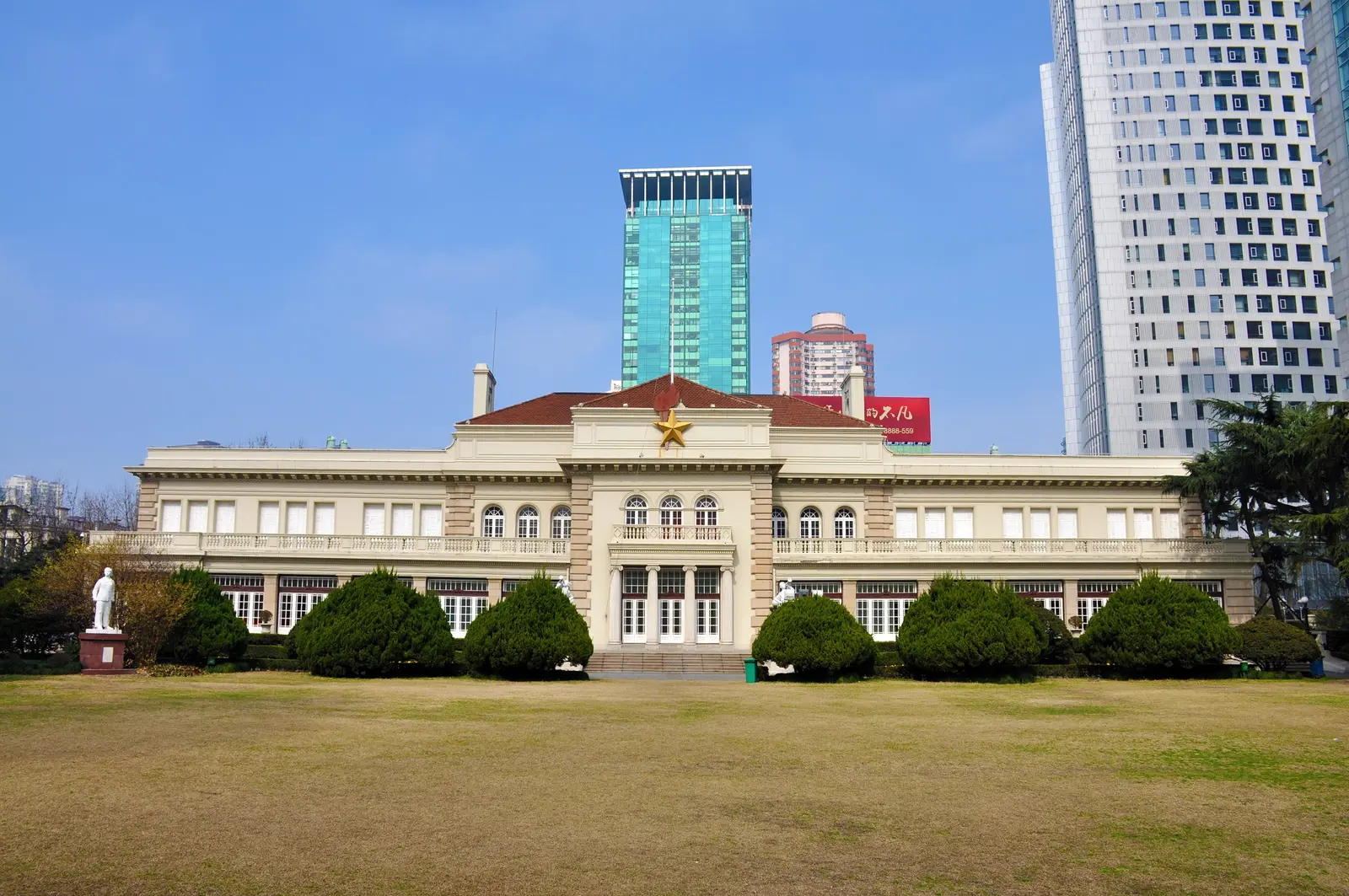
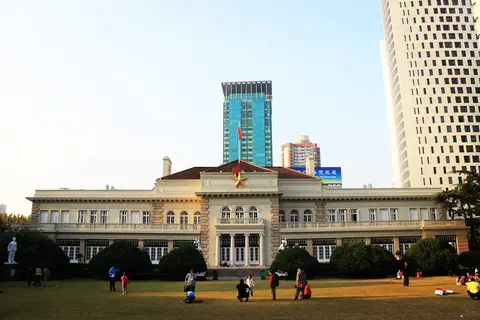
The mansion from the lawn, 2016.
Photo: Fayhoo · CC BY-SA 3.0
The story
Marble Hall (大理石大厦, Dàlǐshí Dàshà), at 64 Yan’an West Road, was the Shanghai home of the Kadoorie family. Completed by 1924, the mansion took its English name from its extensive marble decoration. Since 1953 it has housed the China Welfare Institute Children’s Palace (中国福利会少年宫, Zhōngguó Fúlìhuì Shàoniángōng), a centre for activities outside school.
From a club project to a family home
The house grew out of plans for a Jewish Country Club. A March 1924 report in the North-China Herald, quoted by Historic Shanghai, describes the project becoming Elly Kadoorie’s private residence and names Graham-Brown & Wingrove as the architects.
The south front is symmetrical, with Ionic columns and arches facing a lawn. Inside, the ballroom was a centrepiece of the house. Lawrence Kadoorie later remembered its high ceiling and thousands of coloured light bulbs. His recollection gives a sense of the scale of the family’s entertaining, although the lighting he described is historical.
Rooms given a new purpose
Soong Ching-ling (宋庆龄, Sòng Qìnglíng) founded the Children’s Palace here in 1953. Its programmes brought children into the building for arts, science and other activities outside their ordinary school lessons. The name “Children’s Palace” refers to this educational role; the building began as a private residence.
The change can be followed through individual rooms. A 2021 account of restoration work describes the former drawing room as a music room, the dining room as a dance room, and bedrooms as teaching spaces. The rooms’ new uses are an essential part of the building’s history alongside its marble and classical decoration.
Before visiting
This is a working educational site. Ordinary tourist access to the mansion and its grounds has not been confirmed, so ask the institution about any authorised visit before planning to go inside. Do not use class hours or older travel listings as evidence that the grounds are open. An arranged visit may offer a chance to see the former domestic rooms, but their use for children’s activities takes priority.
How to visit
- Status
- Visitor access not yet confirmed
- Opening times and prices not yet confirmed; check before you go.
- Nearest metro
- Jing'an Temple静安寺Line 2Line 7Line 14· 8 min walkPlan a metro journey here →
Chinese address — show this to a taxi driver
上海市静安区延安西路64号
64 Yan'an West Road, Jing'an District
How to search this address in AmapAmap (高德地图) works best in mainland China; Apple Maps on iPhone. Both open in the app when it is installed.
Nearby
Loading map…
Within a 10-minute walk
- Paramount Ballroom百乐门5 min walk
- Jing'an Temple静安寺6 min walk
- Xin'en Church新恩堂8 min walk
Within a 20-minute walk
- Yuanming Lecture Hall圆明讲堂11 min walk
- Green House (Wu Tongwen House)吴同文住宅(绿房子)15 min walk
- Henry Lester Institute of Medical Research (former)雷士德医学研究院旧址17 min walk
People
 Kadoorie family嘉道理家族brokers, hoteliers, electricity investors, philanthropists(lived here)
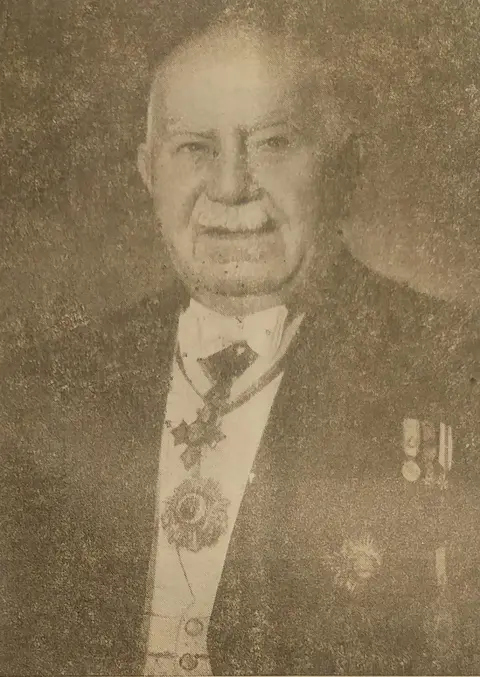 Sir Elly Kadoorie艾利·嘉道理broker, investor, philanthropist(lived here)
 Sir Horace Kadoorie贺理士·嘉道理industrialist, philanthropist(lived here)
Stories
Sources
- 1.Shanghai's first batch of outstanding historic buildings (第一批优秀历史建筑), 上海市房屋管理局, 2023 — 静安区表,1B005:嘉道理爵士住宅/市少年宫/延安西路64号; 第一批优秀历史建筑,静安区1B005official-list
- 2.China Welfare Institute Children's Palace (中国福利会少年宫), 上海市民族和宗教事务局, 2015 — Introduction and address; Opening paragraphs: foundation and interest groupswebsite
- 3.Restoring Shanghai's old buildings: Marble Hall and the Children's Palace (上海老建筑修缮记|百年大理石大厦里的“恰同学少年”), 陈若茜, 澎湃新闻, 2021 — 从‘嘉道理私宅’到新中国最早的少年宫:1919–1924 construction paragraph; History section: Italian marble decoration; 每个建筑细部都是精美的艺术品:south facade, Ionic columns and lawn; 1953 conversion to a children's educational institution; Room captions and paragraph on the change from private house to Children's Palacearticle
- 4.Tour Report: Inside Marble Hall, The Kadoorie Mansion (Tour Report: Inside Marble Hall, The Kadoorie Mansion), Historic Shanghai — Discussion of the North-China Herald account of 22 March 1924; Far Fetched Claims; From Country Club to Kadoorie Mansion; From Country Club to Kadoorie Mansion; Far Fetched Claims: Lawrence Kadoorie's recollection quoted from Harriet Sergeantwebsite
- 5.Kadoorie Mansion (Chinese Wikipedia) (嘉道理爵士公馆), Wikimedia Foundation — Protection statuswikipedia