Topic
Jewish Shanghai: Baghdadi merchants, Russian Jews and the refugees of Hongkou
Explore Shanghai's Baghdadi, Russian and wartime refugee communities through their homes, synagogues and surviving neighbourhoods.
Shanghai’s Jewish history includes merchants from Baghdad, families who came south through Harbin, and refugees escaping Nazi persecution. They arrived at different times and built different institutions. The Shanghai Jewish Refugees Museum, in the former Ohel Moshe Synagogue, is a useful place to begin exploring that history on the ground.
The Baghdadi families arrived from Baghdad and Bombay from the 1840s. Merchants such as the Sassoons, Hardoon and the Kadoories became prominent property owners, but the community also included clerks and their families. Their story follows the synagogues, school, newspaper and cemetery that supported community life.
The Russian Jews came through Harbin and Siberia after pogroms, revolution and the Japanese seizure of Manchuria. Many were stateless shopkeepers, clerks and musicians. They built Ohel Moshe in Hongkou and later a larger synagogue in the French Concession.
The refugees in Hongkou arrived from Germany, Austria and Poland from 1938 to 1941. In 1943 the Japanese authorities ordered the later stateless arrivals into a “Designated Area” around Tilanqiao, often called the Shanghai Ghetto. This part follows their arrival, daily life and departure after the war.
Almost all of these communities had left by 1967, when the last communal body dissolved. Each story identifies the buildings that survive and the sites where little or nothing remains. The map brings them together; the museum page provides the starting point for a visit.
Read in order
Part 1 · The Baghdadi families
Baghdad to the Bund: Shanghai's Baghdadi (Sephardi) Jews, 1845–1950
Who Shanghai's Baghdadi Jews were, how a few hundred people built synagogues, a school and a paper, and why they had gone by about 1950.
15 min read
Part 2 · The Russian Jews
From Harbin to Hongkou: Shanghai's Russian Jews, 1902–1967
How Russian Jews reached Shanghai by way of Manchuria, built Ohel Moshe and a synagogue in the French Concession, and left after 1945.
12 min read
Part 3 · The refugees in Hongkou
The Designated Area: Jewish refugees in Hongkou and the 'Shanghai Ghetto', 1938–1949
How some 18,000 Central European Jews reached Shanghai, how the city tried to stop them, and what life was like in Hongkou's Designated Area.
19 min read
Everything on one map
Every place the parts mention. Numbers run through the parts in reading order.
Loading map…
People, families and firms
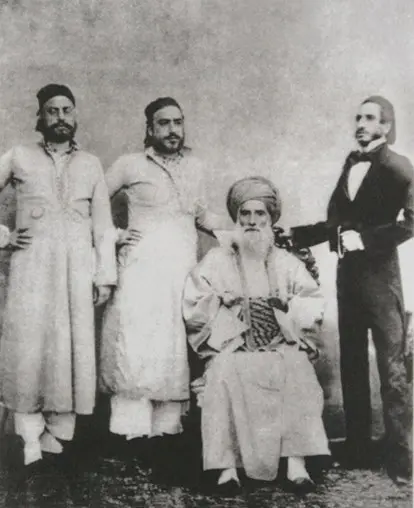 The Sassoon family沙逊家族Baghdad-born Jewish merchant family that traded opium and cotton from Bombay, opened in Shanghai in 1845 and later built towers on the Bund.
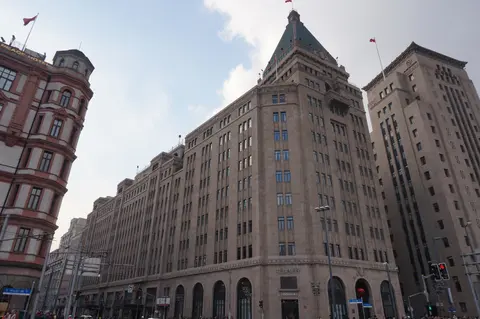 Sir Victor Sassoon维克多·沙逊British-Indian baronet (1881–1961) who moved the E. D. Sassoon group to Shanghai and built Sassoon House, Cathay Mansions and the Embankment Building.
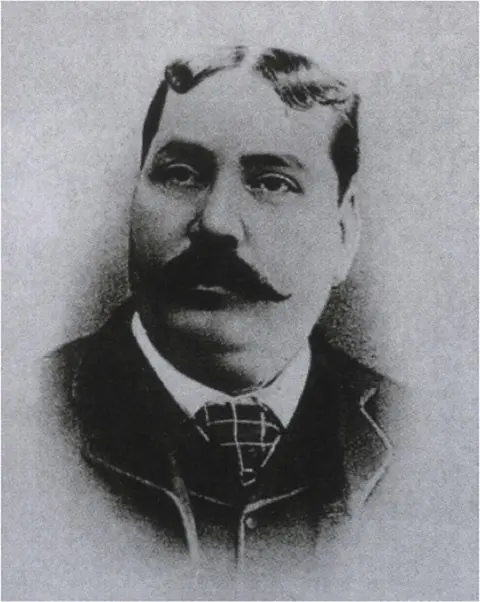 Silas Aaron Hardoon哈同Baghdad-born Jewish merchant, Nanjing Road landlord and owner of Aili Garden; his estate was disputed for sixteen years after his death in 1931.
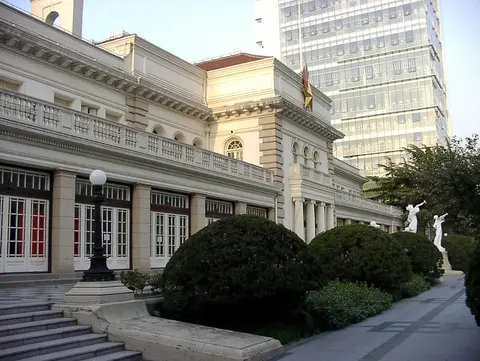
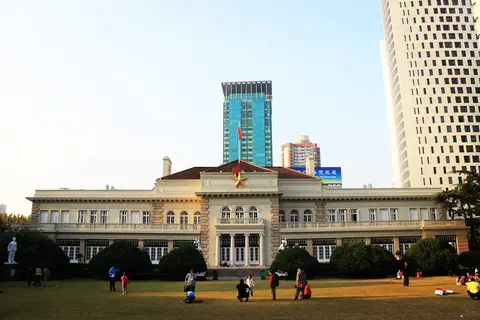 Kadoorie family嘉道理家族Baghdad-born brothers who reached Hong Kong in the 1880s, built a power-and-hotel group, and left Shanghai the Marble Hall, now the Children's Palace.
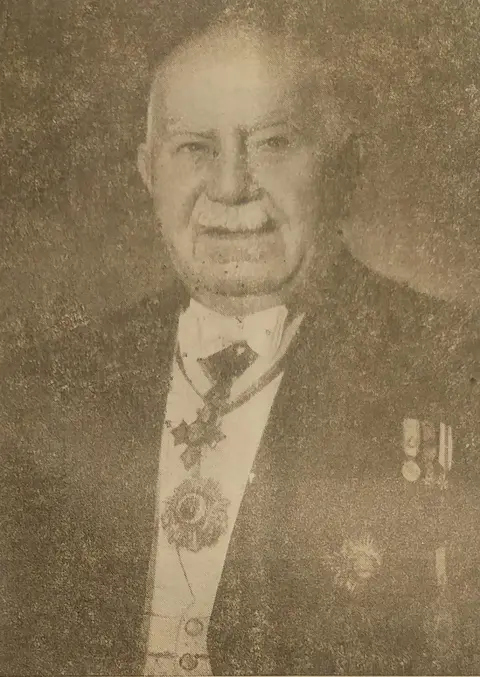 Sir Elly Kadoorie艾利·嘉道理Baghdad-born broker and former Sassoon clerk whose Shanghai home, Marble Hall, became the Children's Palace.
 Sir Horace Kadoorie贺理士·嘉道理Elly Kadoorie's younger son (1902-1995), who founded the Shanghai Jewish Youth Association in 1937 and left Shanghai in 1948 for Hong Kong.
Places to see
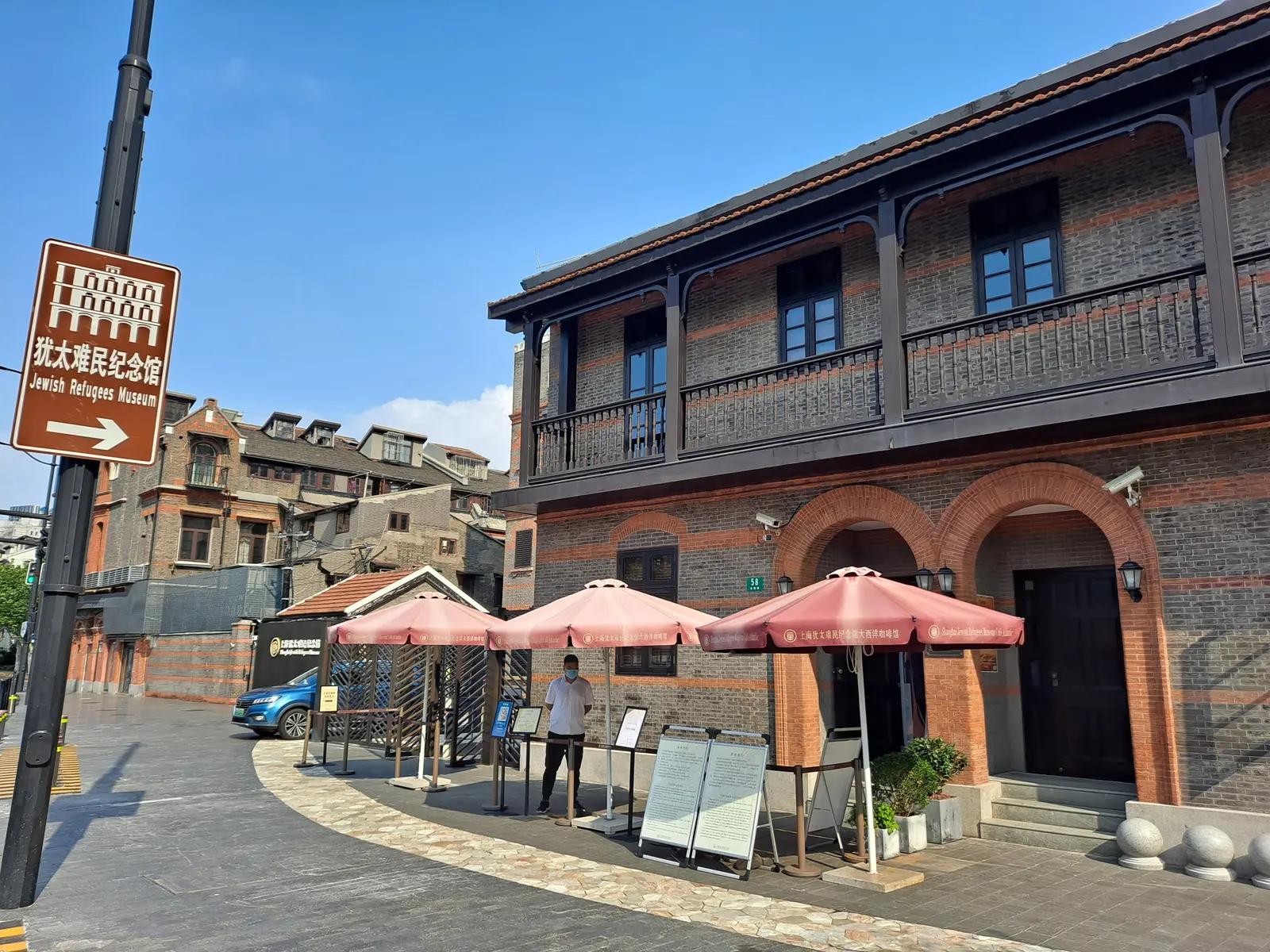

Museum· 1927
Shanghai Jewish Refugees Museum
上海犹太难民纪念馆Shànghǎi Yóutài Nànmín Jìniànguǎn
A 1927 synagogue in Hongkou restored as a museum on the Jewish refugees who lived in Shanghai in the 1930s and 1940s; closed Mondays, ticketed.
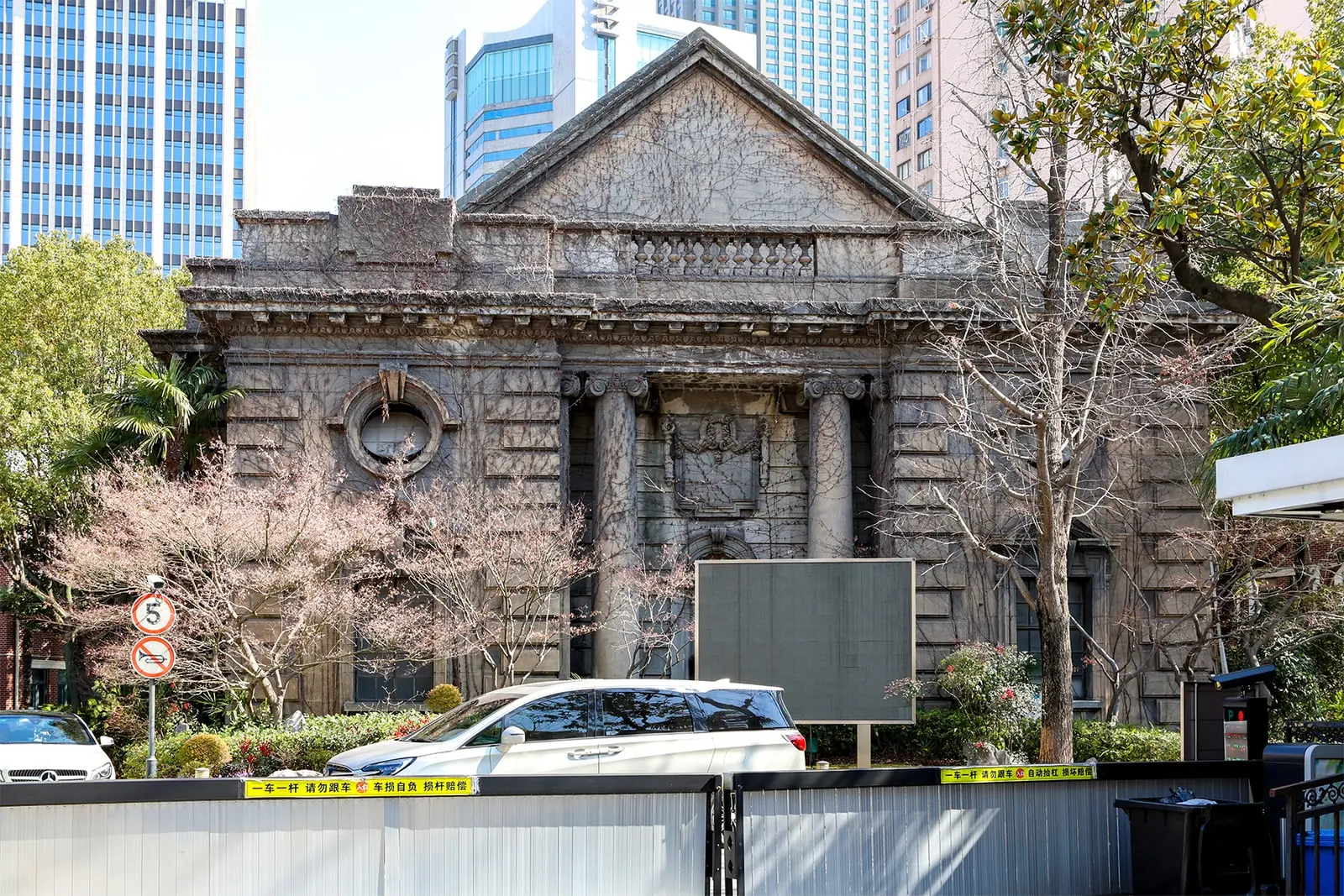

Site· 1920
Ohel Rachel Synagogue
拉结会堂Lājié Huìtáng
Built in 1920 by the Sassoon family, Shanghai's first purpose-built synagogue seated 700. It sits in a compound and is rarely open to visitors.
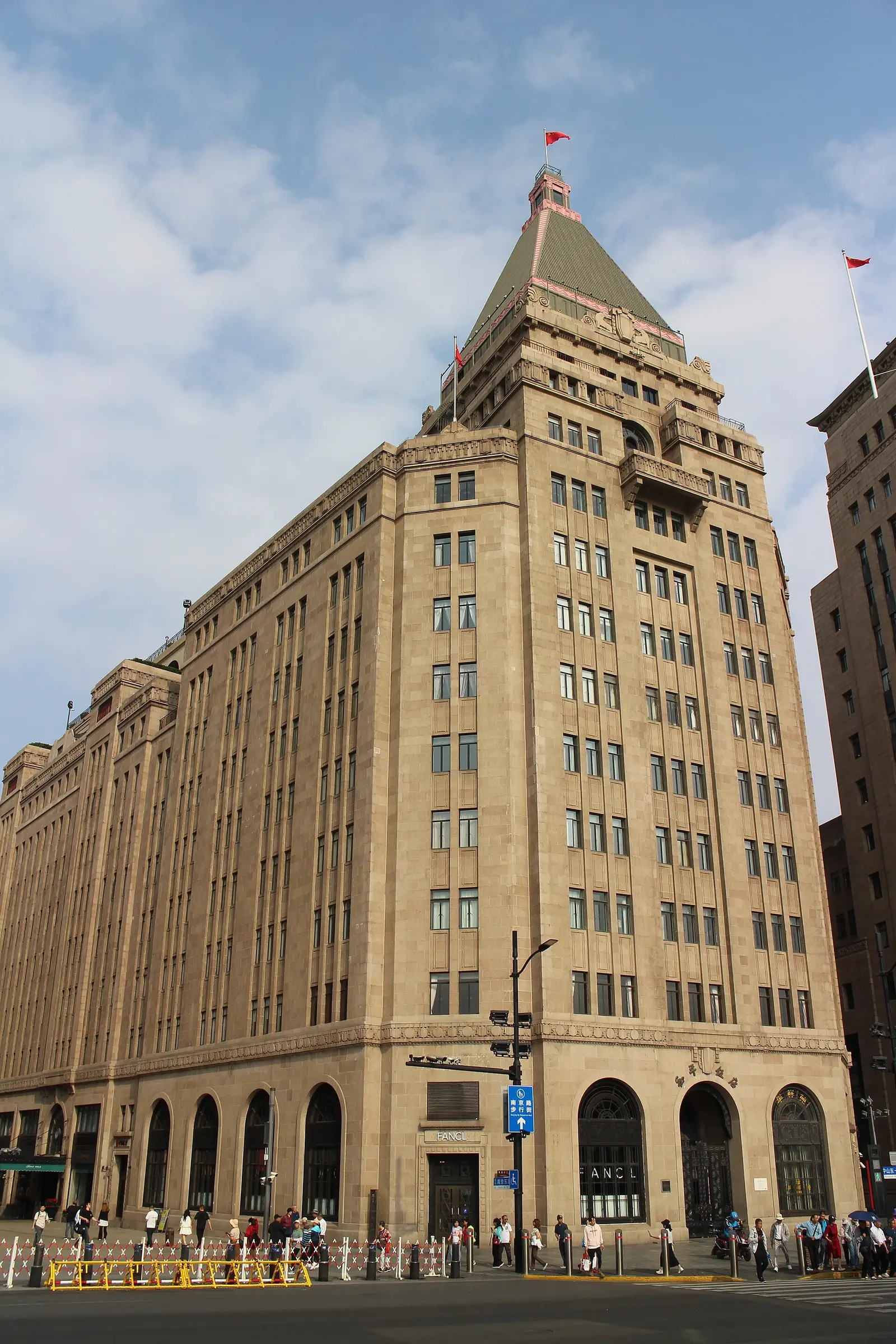

Building· 1926–1929
Sassoon House (Fairmont Peace Hotel)
沙逊大厦Shāxùn Dàshà
Victor Sassoon's 1929 granite tower with the green copper pyramid, home of the Cathay Hotel and since 1956 the Peace Hotel, now run by Fairmont.
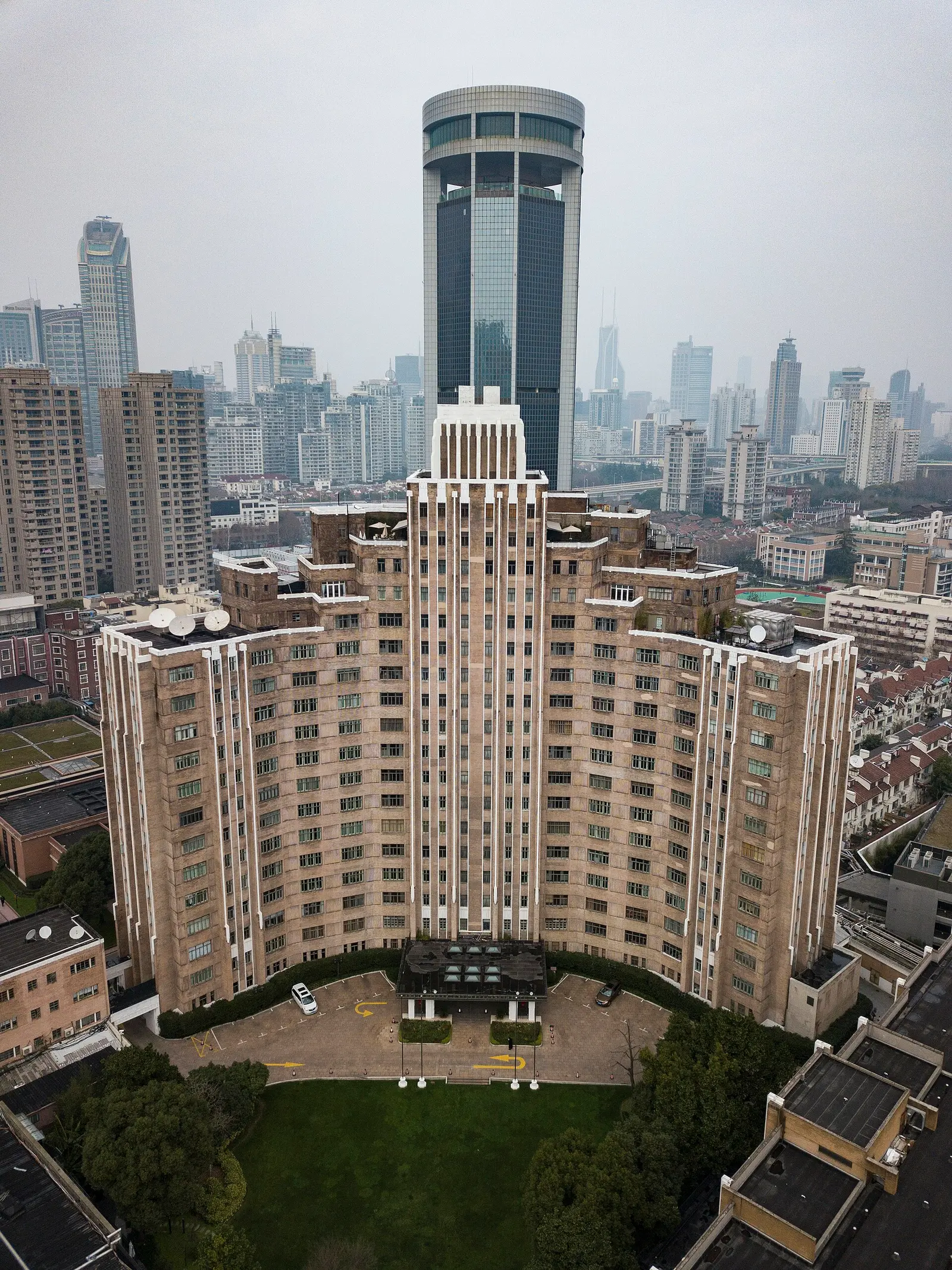

Building· 1935
Jin Jiang Hotel
锦江饭店Jǐnjiāng Fàndiàn
Two Sassoon apartment towers of 1929 and 1935, a state guesthouse since 1951 and the place where the 1972 Shanghai Communiqué was signed.
Also on this subject
The hongs: how Shanghai's foreign trading houses rose, changed and left, 1843–1958
How Shanghai’s foreign trading houses expanded from trade into shipping, mills and property, and what their former Bund sites reveal.
Ward Road Gaol: overcrowding and expansion, 1903–1932
Inside the Council's prison: repeated extensions, prison labour and medical reports that continued to record overcrowding and disease.
Sources
- 1.Shanghai Religion Gazetteer, Judaism chapter (overview; communities, synagogues, organisations, education, religious life, departure) (上海宗教志·第三章犹太教), 上海市地方志办公室(上海方志数据库) — 第一节 社区; 概述; 第三节 团体·四、上海犹太联合委员会; 第六节 犹太人离沪·二gazetteer
- 2.Hongkou District Gazetteer, Jews chapter (changes; relations; former sites) (虹口区志·第三编租界·外侨·第三章犹太人), 上海市地方志办公室(上海方志数据库) — 第一节 变迁gazetteer