Stories
Museum Road: a theatre, a museum and a boathouse behind the Bund
How Museum Road, now Huqiu Road, held foreign Shanghai's theatre, museum, church hall and boat club, and the Chinese taxidermists behind the museum.
Loading map…
Huqiu Road (虎丘路, Hǔqiū Lù) is a short street running from Beijing East Road to Suzhou Creek. For most of the time the settlement lasted it had another name, Museum Road, and it was where the foreign community went in the evenings. It had the theatre, the learned society with its lectures and museum, and the church hall. The rowing club was round the corner on the creek.
None of this was planned as a cultural quarter. The street ran along the western edge of the land the British consulate bought in the 1840s, which is told in the previous story. Institutions that needed a plot close to the Bund, but not on it, settled along its edges.
A theatre built on debentures
Shanghai’s foreign residents were putting on plays almost as soon as they arrived. On 12 December 1850 British amateurs staged two comedies in a warehouse converted into a theatre, the first Western-style spoken drama performed in China. The Amateur Dramatic Club that later ran the Lyceum opened its first, wooden, theatre in 1867, and on 2 March 1871 it burned to the ground.
The response is a good picture of how foreign Shanghai paid for things. On 20 May 1872 a public meeting of foreign ratepayers approved a scheme to buy land and build a “substantial insurable brick theatre”. The money came from residents through debentures: Tls 21,675 at 8 per cent interest, and another Tls 3,750 of preference debentures at 5 per cent. The New Lyceum Theatre opened on 27 January 1874, on a plot where Chinese government docks had once stood.
The Lyceum fronted Museum Road, with its stage door on Yuanmingyuan Road behind. Visitors were told it was easiest to approach from the Suzhou Road side. By 1904 it had been refitted with a new front. A guidebook of that year claimed it was the only theatre in the East tall enough to lift scenery up into the flies instead of rolling it, and the only building in Shanghai given over entirely to entertaining foreigners. From about February to May each year it was taken over by touring professional companies; the rest of the time it belonged to the amateurs.
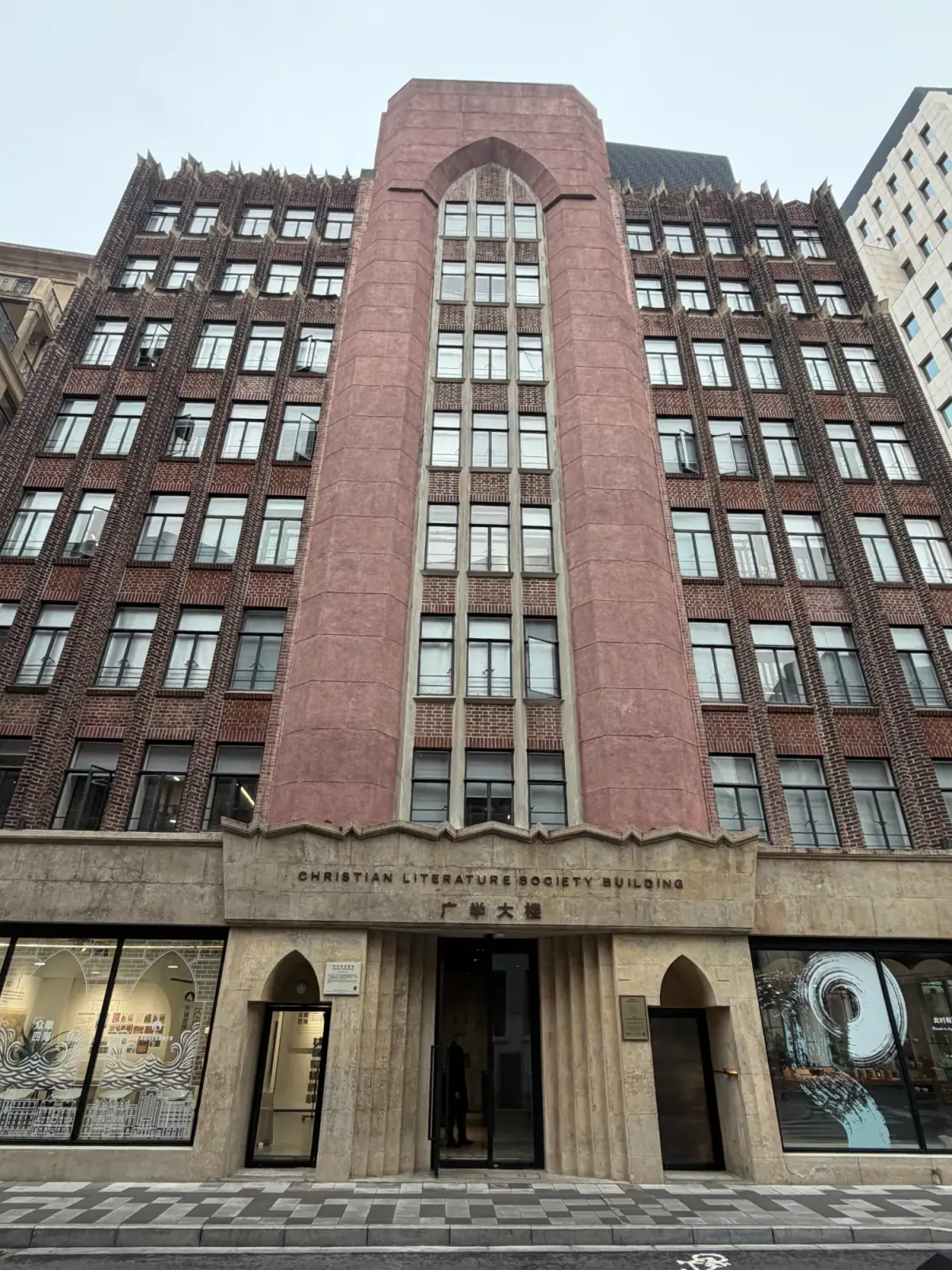
The Lyceum left Museum Road in the end. The company moved away, and the present Lyceum Theatre on Maoming South Road opened in February 1931, the theatre’s third building. On the old site the Christian Literature Society put up the brown-brick office tower that stands at 128 Huqiu Road today.
The museum that named the street
In 1857 a group of residents formed the Shanghai Literary and Scientific Society. A year later it joined the Royal Asiatic Society in London as its North China Branch. In 1871 it moved into its own building on a plot behind the consulate, offered by the consul Rutherford Alcock, with a library, a reading room and a lecture hall. The first animal it collected, the same year, was a leopard. By 1874 members had opened a museum on the upper floor, filled mostly with animals and birds from their own hunting trips.
That museum gave Museum Road its name: for years it was the only museum in the city. A 1904 guide sent visitors to see its collection of the birds of China, the best thing in it. The same guide was blunt about the institution’s state: the founders of the settlement had done well for the museum, it said, but their successors did nothing. The library, mainly on Asian subjects, and the lecture hall were the society’s real centre. Papers read there were printed in an annual journal, and membership cost five dollars a year.
The hall was also lent out. In 1900 the Shanghai YMCA was founded in it, by a North American YMCA secretary and fifty young Chinese church members. Its first board elected Huang Zuoting (黄佐庭) as president and Yan Huiqing (颜惠庆) as vice-president, with Xia Ruifang (夏瑞芳) and Charlie Soong (宋耀如) among the directors.
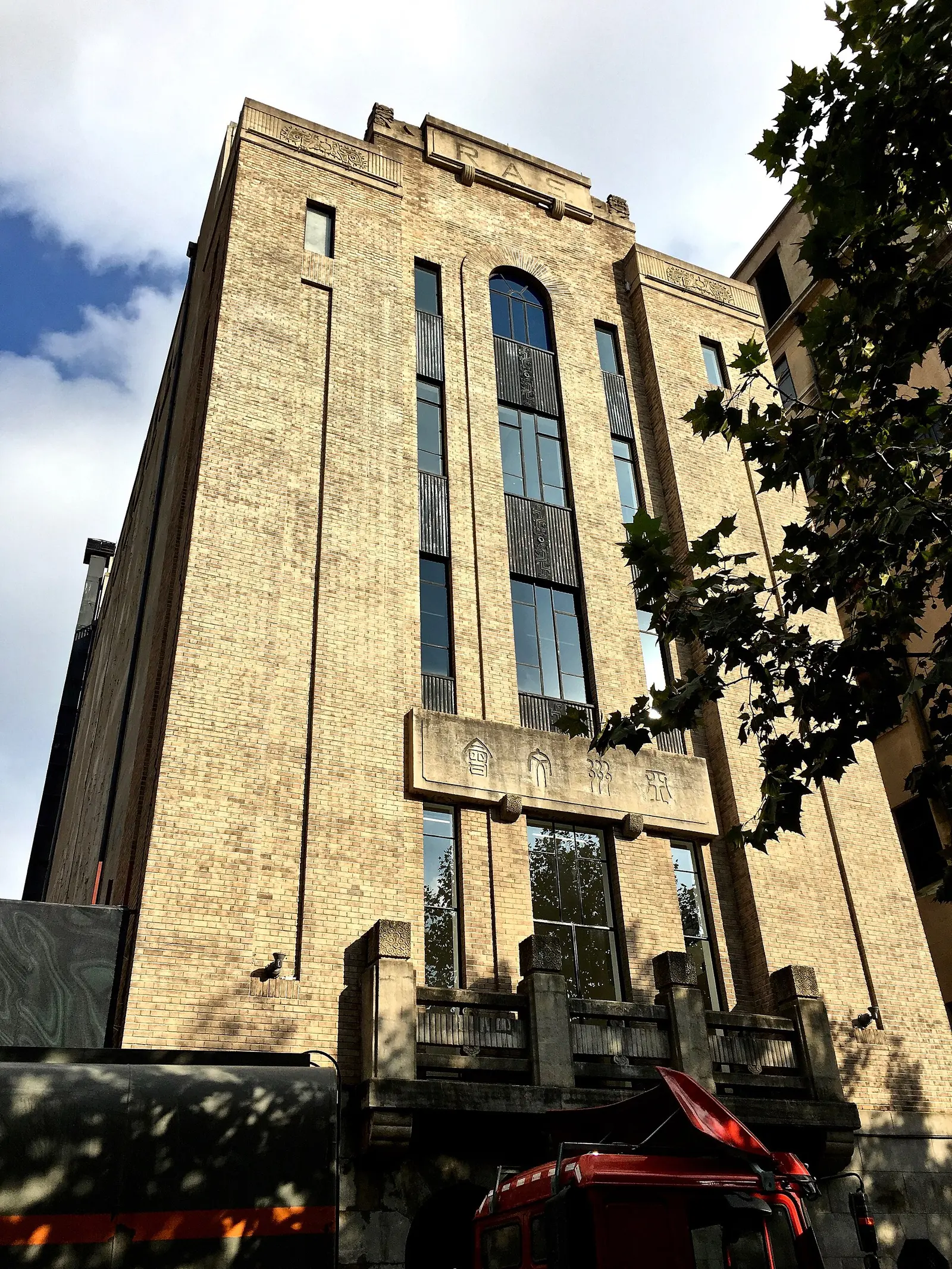
The building stood just behind the British Post Office, which occupied the corner of Museum Road and Peking Road. By 1928 termites had got into its books, the wooden columns of the lecture hall and the roof. The society raised Tls 100,000 for a new building. The naturalist Arthur de Carle Sowerby and the architect George Wilson of Palmer & Turner led the fundraising; the British Consulate provided the land as security for a loan. Donors included British American Tobacco, Sassoon and Company and Dr Wu Lien-teh (伍连德), the Malayan-born physician then running China’s National Quarantine Service. The new building, with Chinese motifs worked into an Art Deco design, opened in 1933.
Sowerby and the Tang family
Sowerby was born in northern China to a family of British missionary naturalists. He was the museum’s honorary curator, and from 1932 its honorary director. He changed what the museum was for. Instead of rows of mounted animals, he wanted habitat dioramas of the kind North American museums were building, in which animals were shown in a painted and modelled landscape.
The work was done with a Chinese family. The museum had trained Chinese taxidermists and was the first institution to teach the craft in China in a consistent way. By the 1930s the third generation of the Tang family (唐氏) was working in the building. In 1933 Sowerby and the Tangs completed a diorama of a giant panda, shot in 1932 and donated to the museum, beside a red panda. A diorama of Peking Man followed in 1935. The Tangs also mounted specimens for sale to other museums and to schools, which brought the museum income.
The audience changed too. In 1934 Chinese labels went up beside the English ones. School groups, lectures and demonstrations brought in more visitors through the decade, and in 1940 the museum counted 65,000. Sowerby used the panda to press the Chinese government to control the hunting and export of the animals.
After Japanese forces occupied the International Settlement on 8 December 1941, the library got busier as other libraries in the city closed. Some of the society’s books and objects were shipped to Japan, and members including Sowerby were interned.
Where the collection went
By 1952 most of the foreign community had left, and the museum was forced to close. Its library went to the Shanghai Library and its collection to the city’s cultural authorities. The natural history specimens became the core of the Shanghai Museum of Natural History, which opened in 1956. Tang taxidermists went with them and worked there until that museum closed in 2014. Tang specimens then moved to the new natural history museum in Jing’an, which opened in 2015. If you want to see what the Museum Road museum looked like on the inside, that is the closest you can get.
The building itself was divided up. By 2000 the old museum floors had been partitioned into flats with shared kitchens. The residents were moved out in 2006, and the building reopened in 2010 as the Rockbund Art Museum.
A church hall for the whole street
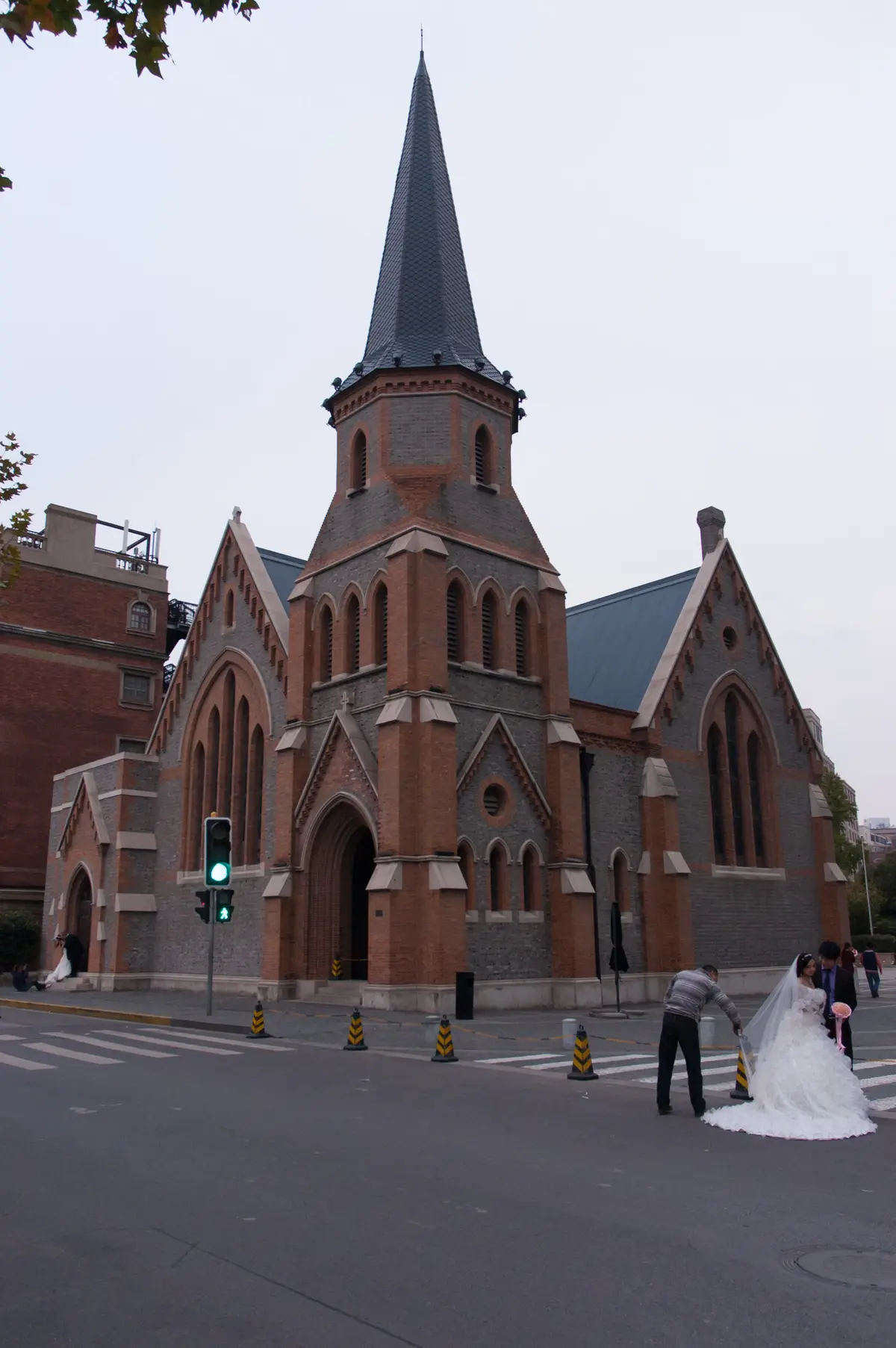
At the creek end of the street was the Union Church. Its congregation traced itself to 1845, when Dr Medhurst of the London Missionary Society held services for foreigners in his chapel on Shandong Road. When the chapel was needed for Chinese worshippers, the English-speaking congregation built its own church on the creek bank. The architect was Dowdall; the style was Early English Gothic, with a spire 108 feet (33 metres) high. It was enlarged in 1901.
The church hall, at the corner of Yuanmingyuan Road, opened in December 1899 with a lecture hall and classrooms, and it served far more than the congregation. In 1904 the Photographic Society met there every fortnight. The church’s Literary and Social Guild, open to any resident, had four hundred members.
Rowing on a working river
Across the road, on the creek, was the boathouse of the Shanghai Rowing Club. In 1904 the club had about 200 members and 52 boats and was about to build new premises. The clubhouse that survives dates from that rebuilding.
Rowing in Shanghai always competed with the river’s real work. Regattas used to be held on an upper reach of Suzhou Creek, but by 1895 cargo boats made that impossible. The club moved its two annual regattas, in May and October, onto the Huangpu, which had strong tides and currents and was, in the guide’s words, not an ideal river for rowing. The creek under the club’s windows remained a commercial waterway.
The club’s rules show who was meant to use the street. Membership was “open to all nationalities”, but candidates went to a ballot and one black ball in five kept them out. The subscription was Tls 15 a year, with a Tls 10 entrance fee. Just upstream of the church, a separate garden had been laid out for Chinese residents.
Cinema at the creek end
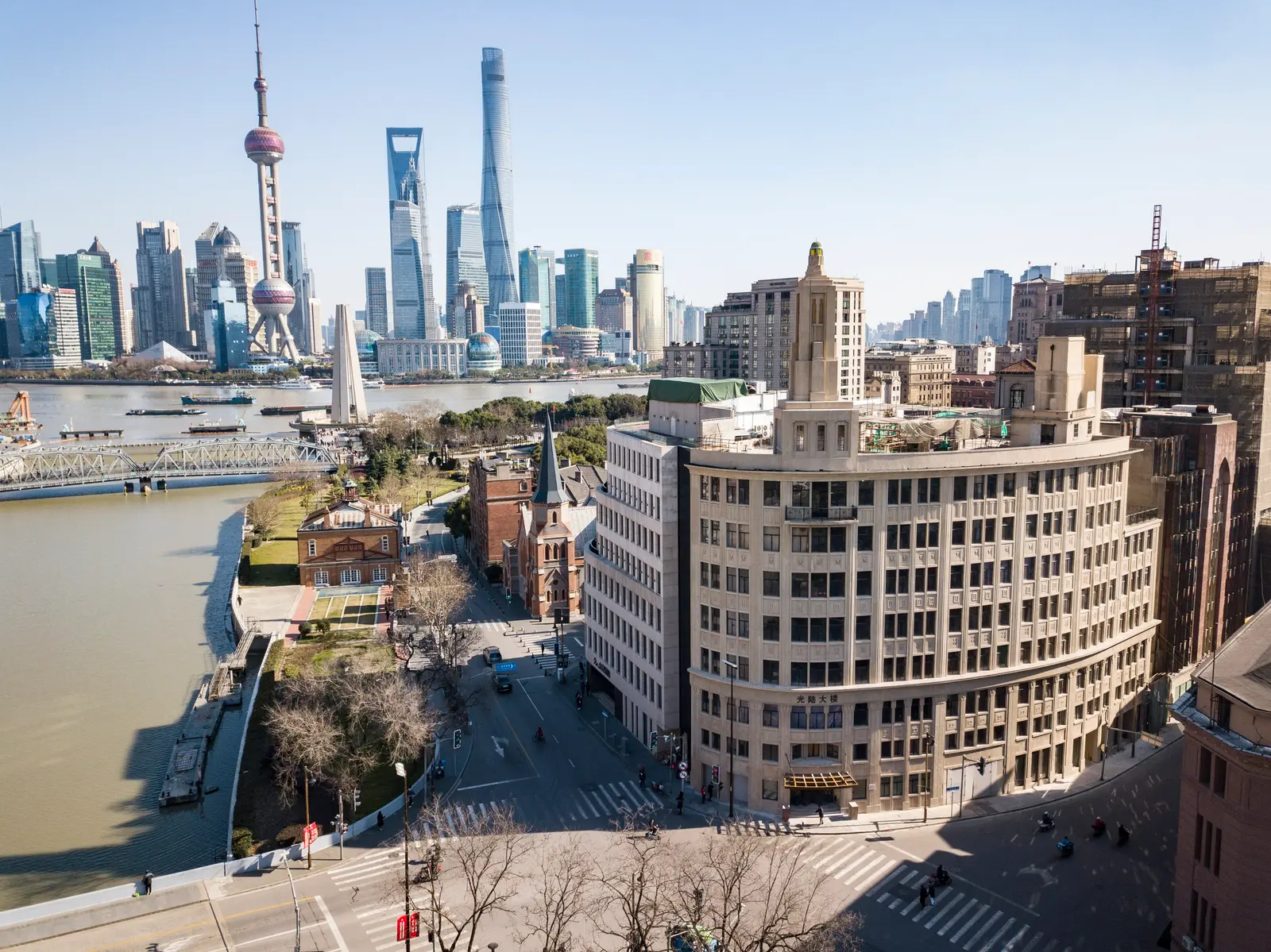
The last addition came in 1928, when the Capitol Building went up on the corner of Museum Road and the creek. Its two lower floors held a cinema, with offices and flats above, under a curved Art Deco front by C. H. Gonda’s practice. By then the theatre was about to leave, and within a few years the Lyceum site would hold a mission publisher’s office tower. The street was turning from a place of leisure into an office street, a change taken up in the next story.
Walking the street today
Start at the Beijing East Road end. The Royal Asiatic Society building at 20 Huqiu Road has been the Rockbund Art Museum since 2010. Further north, the dark brick tower at no. 128 stands on the Lyceum site. At the creek end the Capitol curves round the corner. Turn right along South Suzhou Road for the rebuilt Union Church and, on the water’s edge, the rowing club with its former pool.
Places mentioned
Tap a name in the text, or “map” in this list, to see where it is; names with their own page link to it.
- 01Royal Asiatic Society building (Rockbund Art Museum)亚洲文会大楼(上海外滩美术馆)mapThe society's 1933 building, on the site of its 1871 premises; the street was named Museum Road after its museum.
- 02Christian Literature Society Building (site of the old Lyceum)广学大楼(兰心大戏院旧址)mapThe 1874 brick Lyceum stood here until the theatre moved; the 1930s office tower replaced it.
- 03Union Church新天安堂mapChurch and church hall at the corner of South Suzhou and Yuanmingyuan roads; its lecture hall was a meeting room for the area's societies.
- 04Shanghai Rowing Club划船俱乐部mapBoathouse on the creek opposite the Union Church; the surviving clubhouse dates from 1904–05.
- 05Capitol Building光陆大楼mapCinema with offices and flats above, completed in 1928 at the creek end of Huqiu Road.
- 06Corner of Huqiu Road and Beijing East Road (old British Post Office)虎丘路北京东路口In 1904 the British Post Office stood at the corner of Museum Road and Peking Road; the society's building was just behind it.approximate position
- 07Lyceum Theatre (Maoming South Road)兰心大戏院mapWhere the theatre moved; the present building opened in 1931.
- 08Shanghai Natural History Museum上海自然博物馆mapThe Jing'an museum, opened in 2015, which received specimens from the old Museum Road collection.
Places in this story

Museum· 1932–1933
Rockbund Art Museum
上海外滩美术馆Shànghǎi Wàitān Měishùguǎn
A contemporary art museum with no permanent collection, in the 1933 Art Deco Royal Asiatic Society building off the Bund, redesigned by David Chipperfield.
Building· 1930–1932
Christian Literature Society Building
广学会大楼Guǎngxuéhuì Dàlóu
A nine-storey Art Deco tower by László Hudec, built in 1930–32 for the Christian Literature Society, a Chinese-language publisher.

Protestant church· 1885–1886
Union Church
新天安堂xīn tiān ān táng
The British and American Union Church on Suzhou Creek, founded in 1886 for foreign residents and rebuilt after a 2007 fire.
Building· c. 1904–1905
Shanghai Rowing Club
划船总会Huáchuán Zǒnghuì
The former home of the Shanghai Rowing Club on Suzhou Creek, with its restored clubhouse and an old swimming pool now open to the sky.

Building· 1928
Capitol Building
光陆大楼Guānglù Dàlóu
An Art Deco building curving around the Huqiu Road corner, completed in 1928 with a cinema beneath offices and apartments.
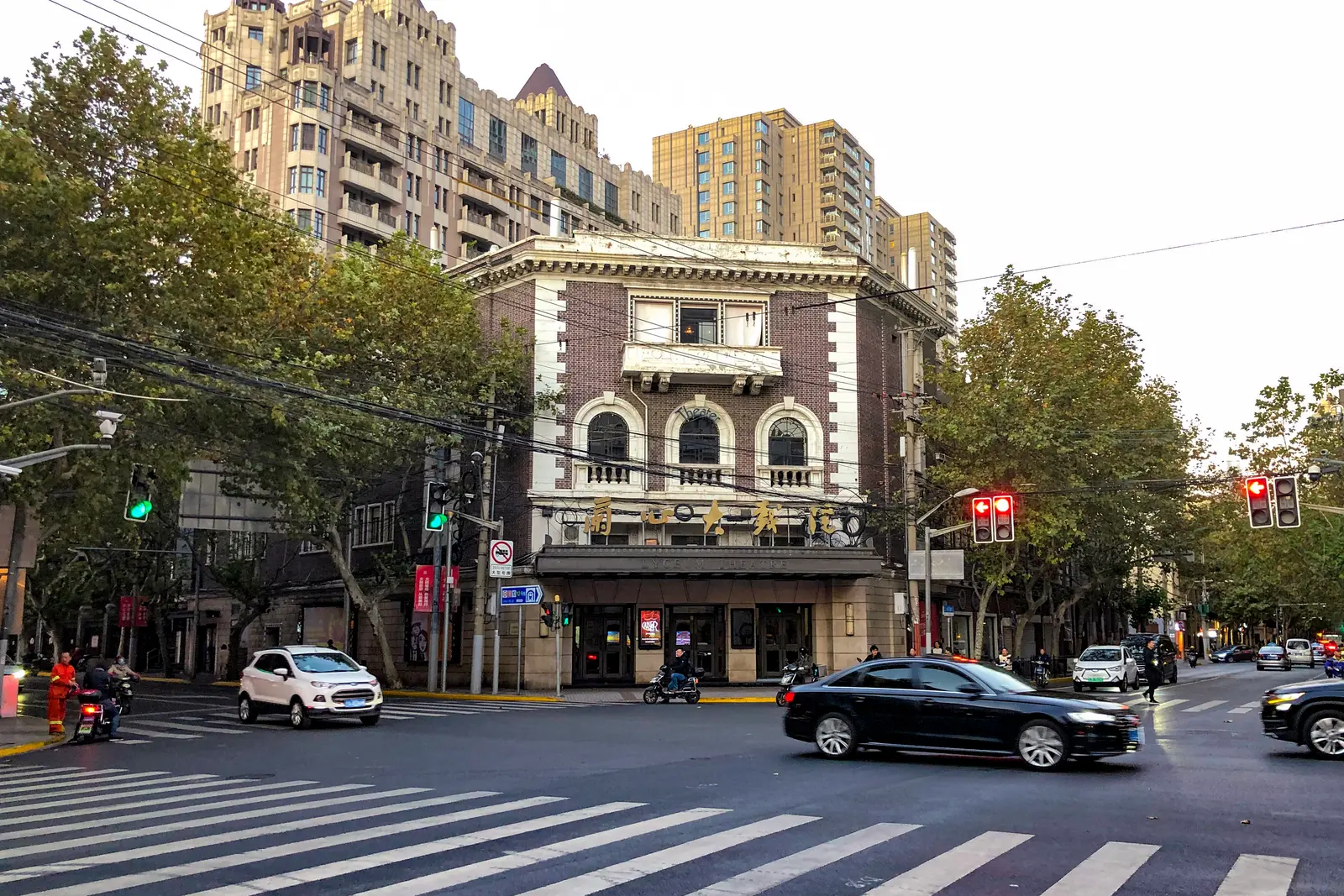

Building· 1931
Lyceum Theatre
兰心大戏院Lánxīn Dà Xìyuàn
A corner theatre on Maoming South Road, opened in 1931 and restored in 2022, with an Italian Renaissance facade and a longer theatrical history.
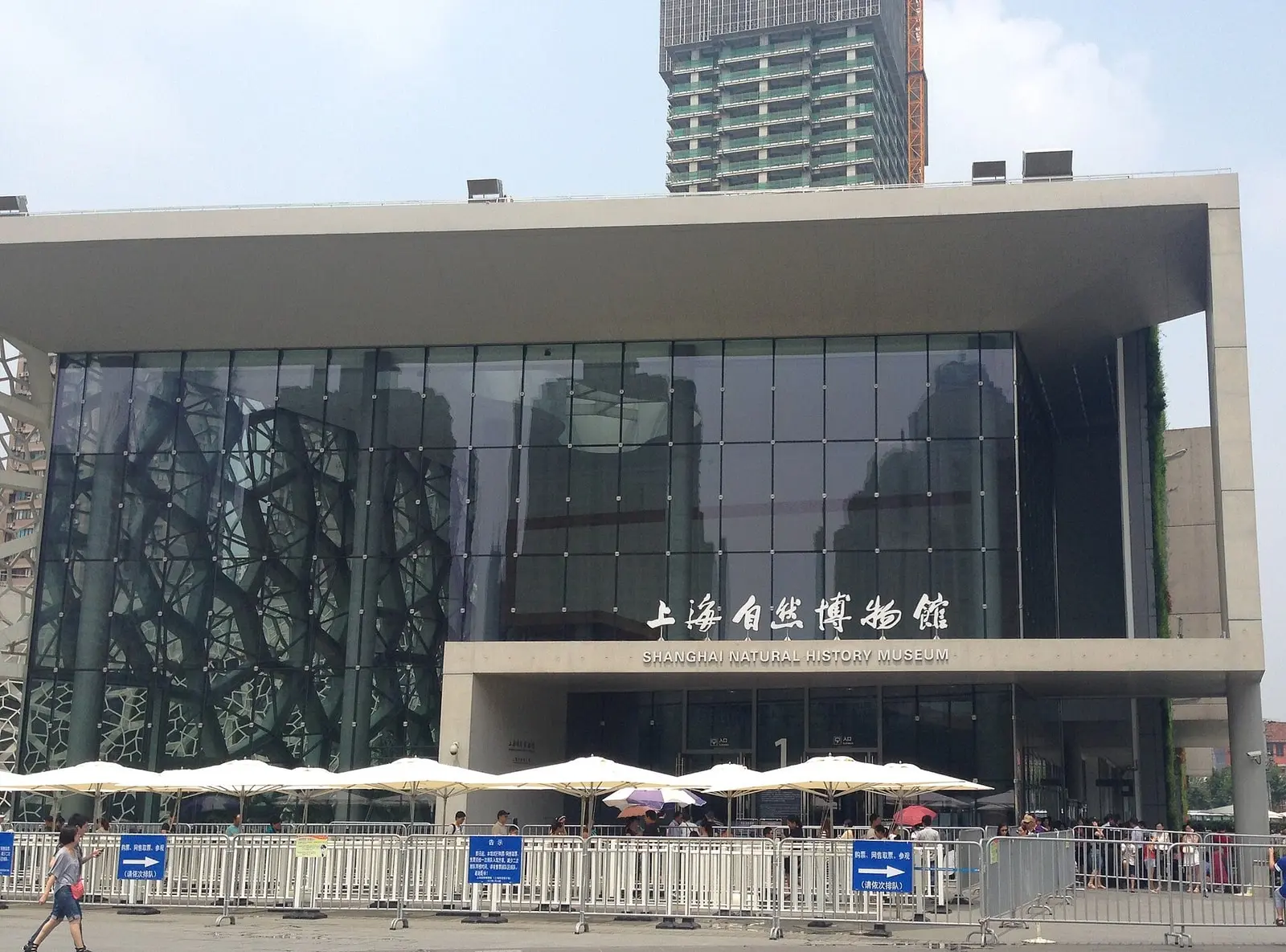

Museum· 2015
Shanghai Natural History Museum
上海自然博物馆Shànghǎi Zìrán Bówùguǎn
Shanghai's natural history museum, in a nautilus-shaped building in Jing'an Sculpture Park since 2015; its old home was on Yan'an Road.
People in this story
- Palmer & Turner公和洋行
Sources
- 1.Darwent, Shanghai: A Handbook for Travellers and Residents (1904) (Shanghai: A Handbook for Travellers and Residents to the Chief Objects of Interest in and around the Foreign Settlements and Native City), C. E. Darwent, Kelly & Walsh, Shanghai (digitised copy on the Internet Archive), 1904 — Theatres and Places of Entertainment, p. 151; The Bund, p. 2; pp. 151–152, quoting the trustees' 1903 petition and G. R. Corner's MS history of the Lyceum; pp. 151–152; p. 151; China Branch of the Royal Asiatic Society, p. 90; Literary Associations, pp. 90–91; The Bund, p. 26; Literary Associations, p. 91; Union Church, pp. 24–25; Shanghai Rowing Club, pp. 181–182; The Bund, p. 25; The Bund, p. 25book
- 2.László Hudec (Chinese edition, with an incomplete catalogue of works) (邬达克), 卢卡·彭切里尼(Luca Poncellini)、尤利娅·切伊迪(Júlia Csejdy)著;华霞虹、乔争月译, 同济大学出版社, 2013 — 广学大楼book
- 3.The Lyceum Theatre returns after restoration (兰心大戏院“焕新”回归), 吴玮, 上海老年报;上海市民政局, 2022 — 兰心大戏院article
- 4.The Royal Asiatic Society Building: The Museum on Museum Road (The Royal Asiatic Society Building: The Museum on Museum Road), Historic Shanghai — early history; rebuilding section; 1941 and 1952 sections; later use; introductionwebsite
- 5.The Shanghai Museum, the giant panda and environmental awareness in China (The Shanghai Museum, the Giant Panda, and Environmental Awareness in China), Li-Chuan Tai, Edinburgh University Press Blog, 2021 — paras 2–3; Tang family paragraphs; diorama paragraph; final paragraphsarticle
- 6.Arthur Sowerby and the Shanghai Museum (Arthur Sowerby and the Shanghai Museum (summary of Tai, Archives of Natural History 48, 2021)), Zoology Weblog, 2021 — summary of Tai 2021; summary of Tai 2021, Archives of Natural History 48: 111–130website
- 7.Shanghai Famous Buildings Gazetteer: Capitol Building (上海名建筑志·苏州河边的光陆大楼(市国际贸易会堂)), 上海市地方志办公室(编), 上海社会科学院出版社;上海市地方志办公室数字方志(在线), 2005 — 光陆大楼gazetteer
- 8.Capitol Building: an architectural innovation nearly a century ago (【金色档案】光陆大楼:近百年前的一次创新), 曹伟, 上海规划资源(上观号), 2024 — planning archive accountarticle
- 9.The Bund (Waitanyuan and the Bund buildings) (外滩·源), 杨嘉祐, 上海人民出版社, 2012 — 划船俱乐部book
- 10.ROCKBUND (ROCKBUND), David Chipperfield Architects, David Chipperfield Architects — project chronologywebsite
- 11.Shanghai Concessions Gazetteer: management of cinemas and theatres (上海租界志 · 第五篇管理 · 第三章文化管理 · 第一节 影院剧场管理), 上海市档案馆(编), 上海社会科学院出版社;上海市地方志办公室数字方志(在线), 2001 — 第一节 影院剧场管理, para 1gazetteer
- 12.Shanghai Religion Gazetteer: Shanghai YMCA and YWCA (上海宗教志 · 第五编基督教 · 第二章团体 · 第四节 上海基督教青年会和女青年会), 上海市地方志办公室(上海方志数据库) — 一、沿革, paras 1–2gazetteer